Nothing makes a small flat feel like Christmas faster than living greenery — and unlike a box of ornaments, Christmas plants pull double duty as actual houseplants long after the holidays. The trick is picking varieties that stay compact, tolerate apartment conditions (dry heated air, limited light), and cost less than a pizza. Every plant below is under $20, fits on a shelf or side table, and comes with honest care notes so it survives past January.
A quick note before you shop: several festive favourites are mildly toxic to cats and dogs, so I've flagged the pet-risky ones. Pair these picks with our winter plant care guide and your greenery will cruise through the heating season.
1. Mini poinsettia pots (set of 4)
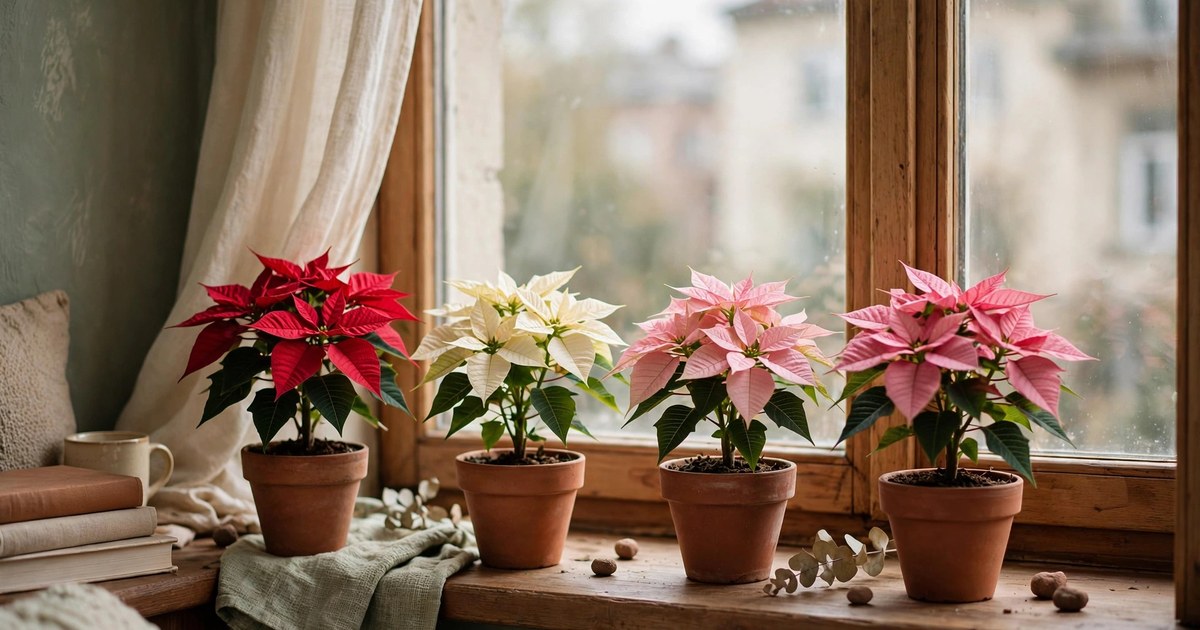
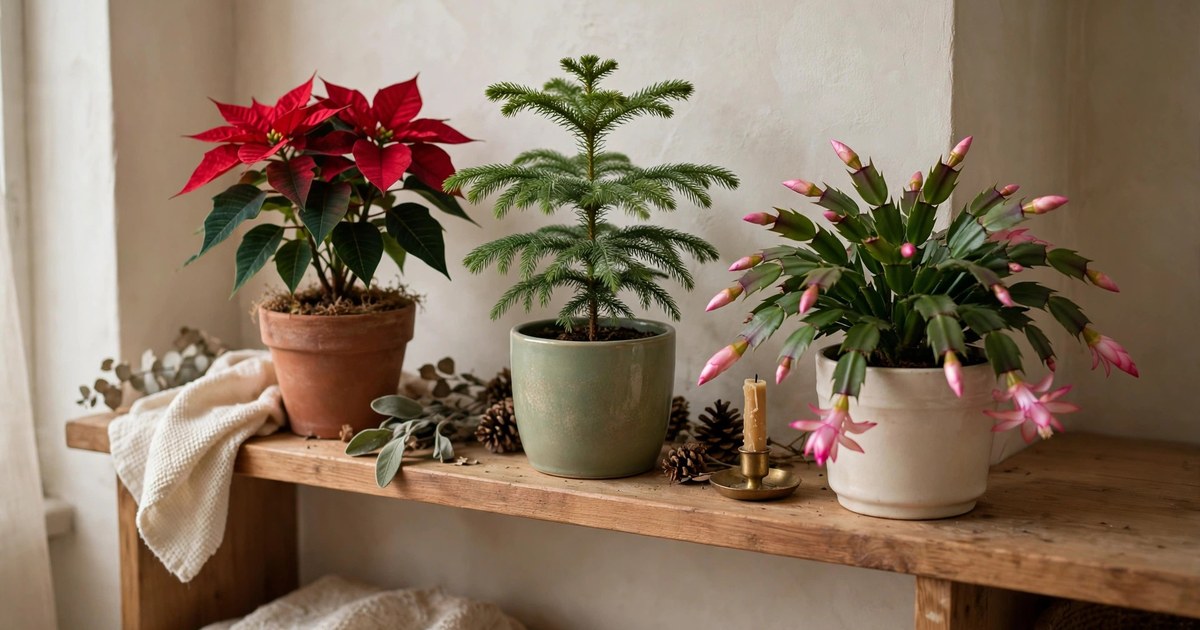
The classic Christmas plant, shrunk to apartment scale. Mini poinsettias in 3-inch pots cost $3–4 each, so a group of four runs $12–16 — and a cluster reads far more expensive than one big plant. Mix red, cream, and pink for a collected look, or go all-red for tradition.
Why it works: instant Christmas colour with zero decorating effort. Grouped minis fill a windowsill or tray beautifully where one large plant would dominate.
Where it fits: windowsills, a mirrored tray centrepiece, or flanking a tabletop Christmas tree. Keep away from cold draughts and radiators, water only when the top inch of soil is dry, and note it's mildly toxic to pets. Shop mini poinsettias
2. Norfolk Island pine
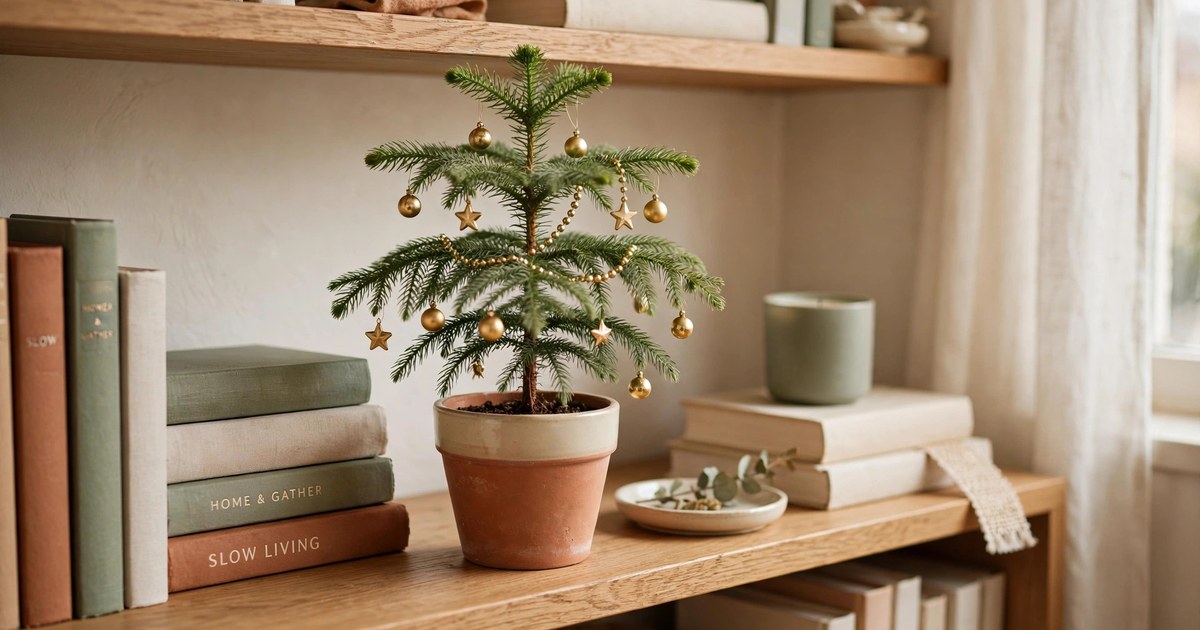
The two-in-one pick: a living miniature pine ($15–20) that doubles as your actual Christmas tree. Hang the lightest ornaments on it in December, then keep it as a houseplant — it grows slowly enough to stay tabletop-size for years and looks good in every season.
Why it works: it's the only "tree" on this list that never needs storing. One purchase, a decade of Decembers.
Where it fits: bookshelf top, sideboard, or desk corner in bright indirect light. Mist regularly (heated flats dry it out) and keep it away from radiators. Pet-safe, too. Shop Norfolk Island pine
3. Rosemary cone topiary
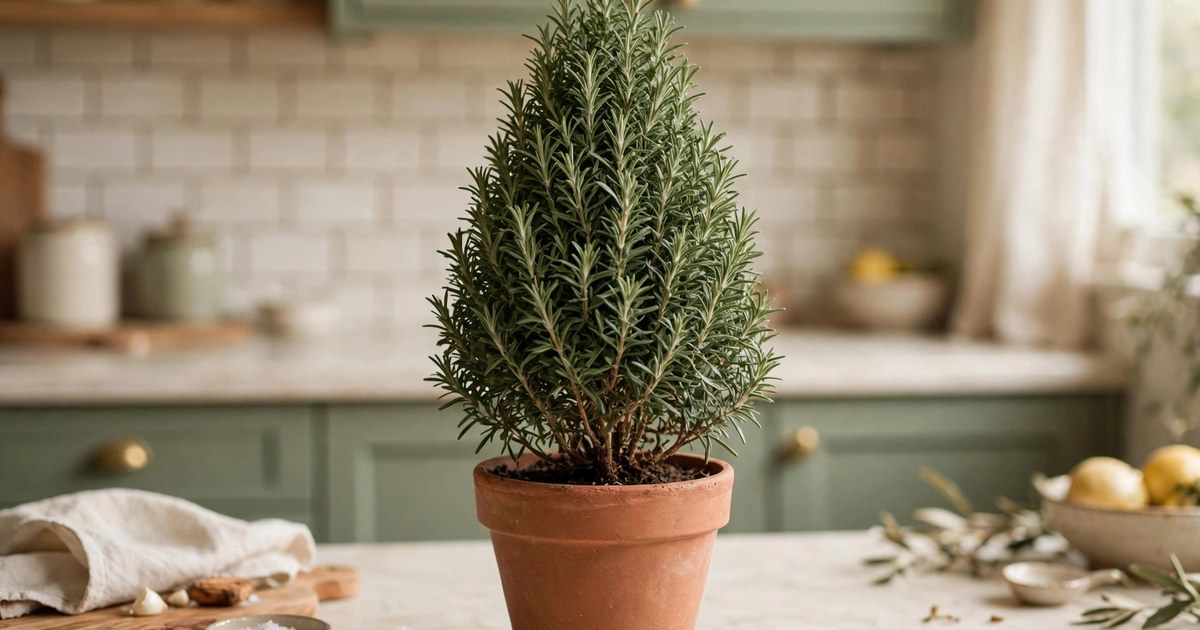
A rosemary plant clipped into a cone ($10–14 at supermarkets from late November) looks exactly like a miniature Christmas tree, smells incredible, and — unlike every other plant here — you can cook with it. Snip sprigs for roast potatoes all December and it just keeps growing.
Why it works: scent is half of Christmas atmosphere, and fresh rosemary beats any plug-in. It's festive decor and a herb garden in one pot.
Where it fits: the kitchen counter or a sunny windowsill — it needs the brightest spot you've got. Let the soil dry between waterings; soggy rosemary dies fast. Pet-safe. Shop rosemary topiary
4. Christmas cactus
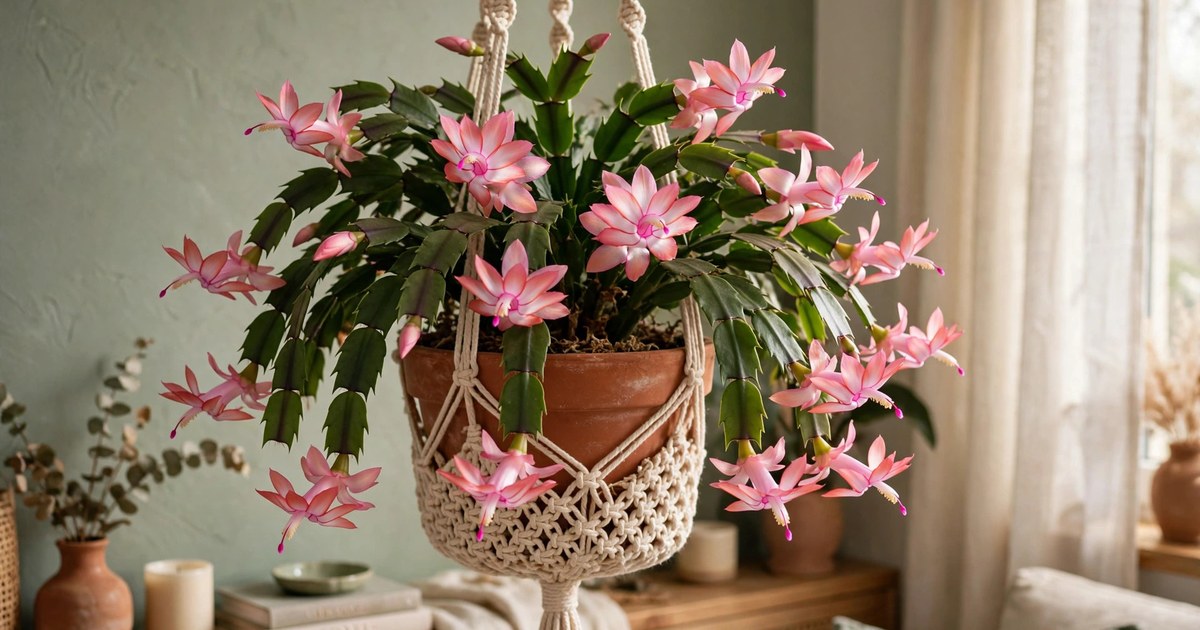
Schlumbergera blooms in November–December with arching stems of pink, red, or white flowers — right on schedule, every year, for decades. A full plant costs $12–16, tolerates the low light of dark apartments better than most flowering plants, and is completely pet-safe.
Why it works: it's the heirloom pick. Christmas cacti live 20+ years and get passed down in families — buy one and you'll still be photographing its blooms in 2046.
Where it fits: a hanging basket or high shelf where the stems can cascade. Bright indirect light, water when the top inch dries out, and give it cool dark nights (under 15°C) in autumn to trigger buds. Shop Christmas cactus
5. Amaryllis bulb kit
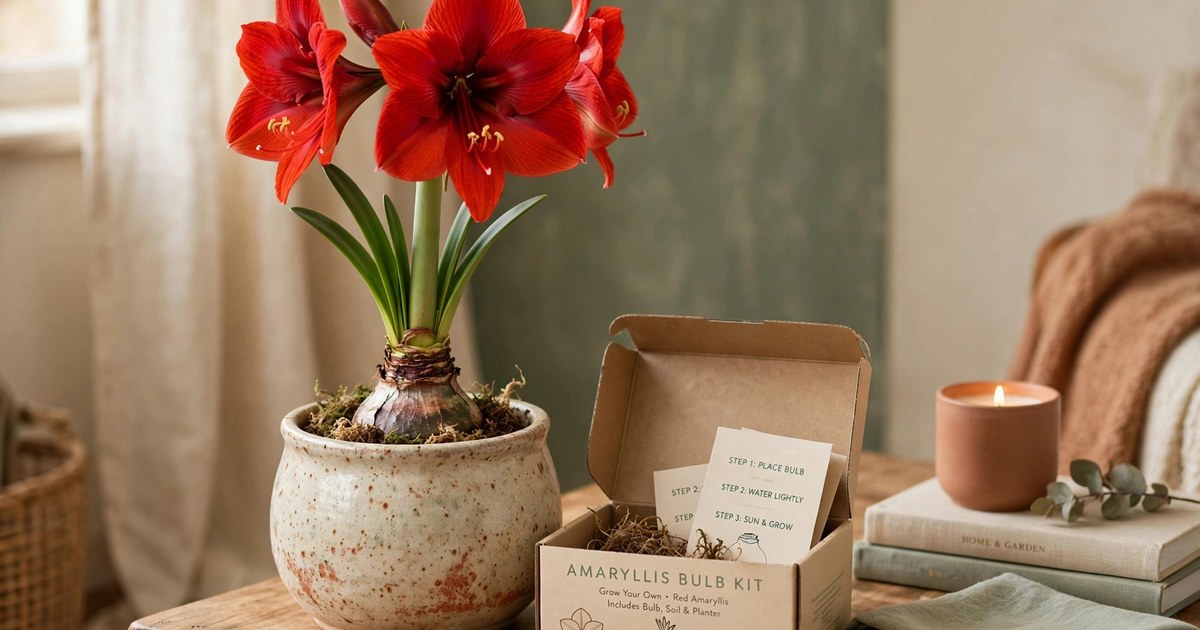
A boxed amaryllis kit ($10–15) is the most dramatic $12 in Christmas decor: one huge bulb produces a 60 cm stem topped with trumpet flowers the size of your hand, usually within 6–8 weeks of planting — buy in early November for Christmas blooms. No green thumb required.
Why it works: architectural, sculptural, and genuinely thrilling to watch grow. It's the plant equivalent of a statement ornament.
Where it fits: a side table or mantel where the tall stem can be a focal point. Bright light, water sparingly until growth starts, and stake the stem — those flowers are heavy. Mildly toxic to pets. Shop amaryllis bulb kit
6. Paperwhite narcissus kit
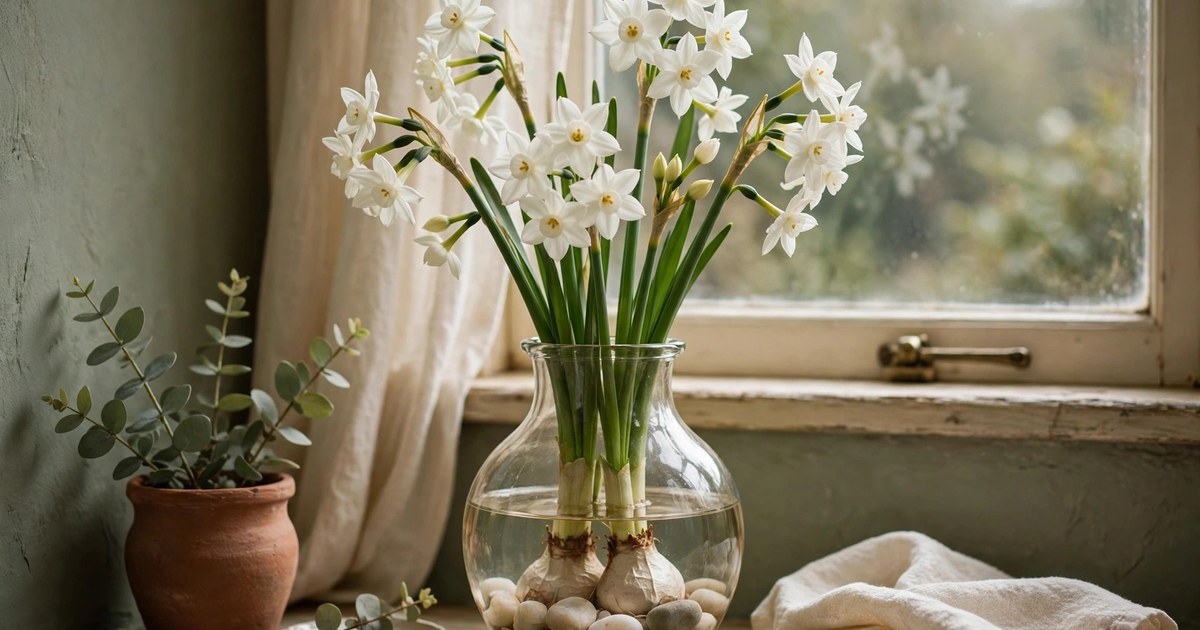
Paperwhites ($8–12 for a forcing kit) are the fastest gratification in this list: nestle the bulbs in pebbles and water, and fragrant white blooms appear in 3–4 weeks. They need no soil at all — a pretty bowl, some stones, and water is the whole setup.
Why it works: the scent is pure Christmas — sweet, heady, and strong enough to perfume a whole studio flat. Zero soil means zero mess on rental surfaces.
Where it fits: windowsills and bathroom shelves (they love humidity). Keep them cool once blooming to extend the flowers, and stake tall stems. Note: the fragrance divides opinion — one bowl is plenty. Mildly toxic to pets. Shop paperwhite narcissus kit
7. Cyclamen
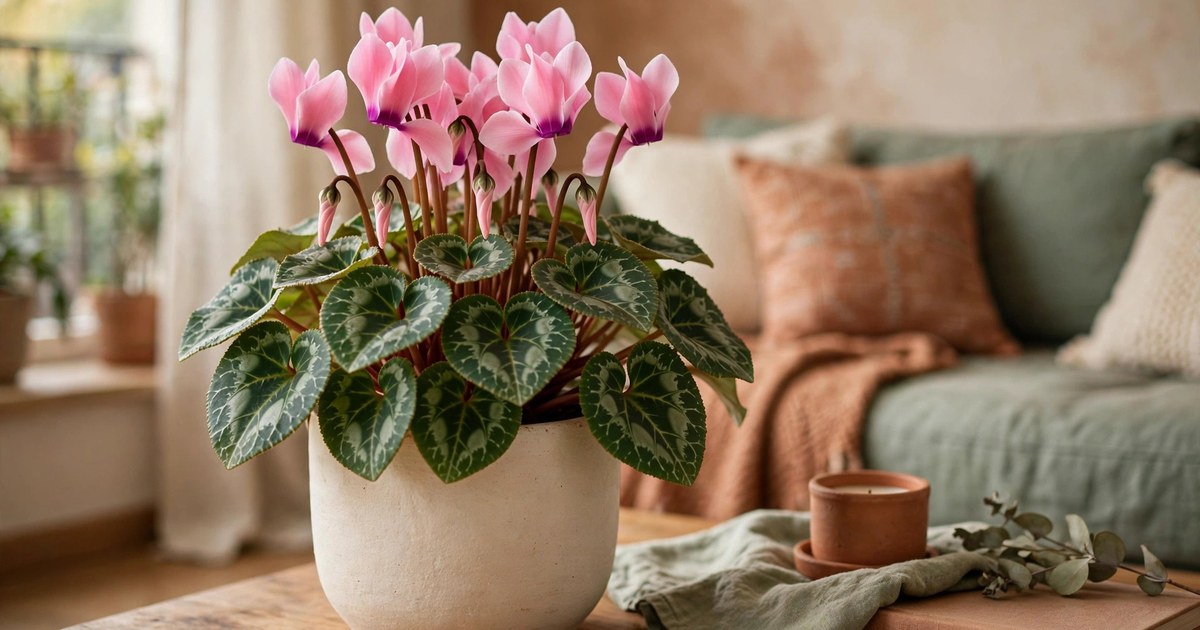
Cyclamen ($8–12) flowers from November to March in shades of pink, red, and white — exactly the Christmas palette — on neat mounds of heart-shaped leaves. It actively prefers the cool rooms that other houseplants hate, making it perfect for draughty Victorian conversions and chilly hallways.
Why it works: months of continuous blooms for the price of a sandwich, in a footprint smaller than a dinner plate.
Where it fits: cool windowsills, entryway tables, and north-facing rooms. Water from below (it rots if water sits on the crown), deadhead spent flowers, and keep it under 18°C. Toxic to pets if chewed. Shop cyclamen plant
8. Frosty fern (Selaginella)
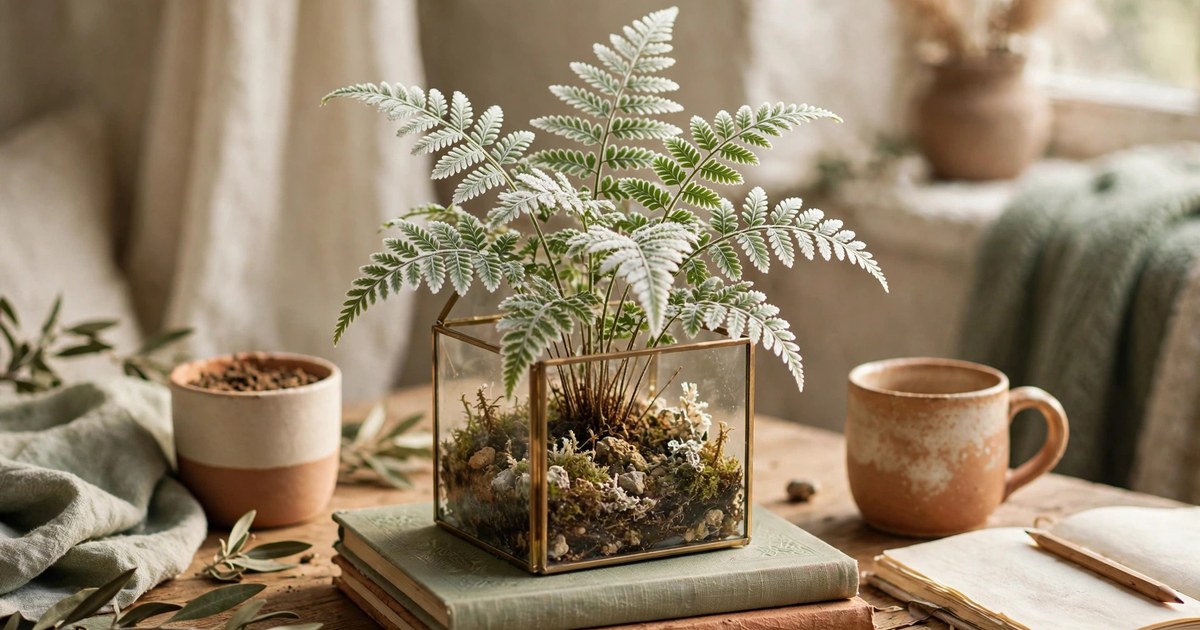
Frosty fern ($10–14) looks like it was designed for Christmas: soft green fronds tipped in white, as if dusted with snow. It's tiny — happy in a 4-inch pot or terrarium — and loves the humid air of bathrooms and kitchens that kills fussier plants.
Why it works: the white tips read as "snow-dusted evergreen" without a single fake snow spray. It's the most Christmas-looking foliage you can buy.
Where it fits: terrariums, bathroom shelves, and desk corners in indirect light. Keep the soil consistently moist and the humidity high — a pebble tray underneath does the job. Pet-safe. Shop frosty fern
9. Dwarf Alberta spruce
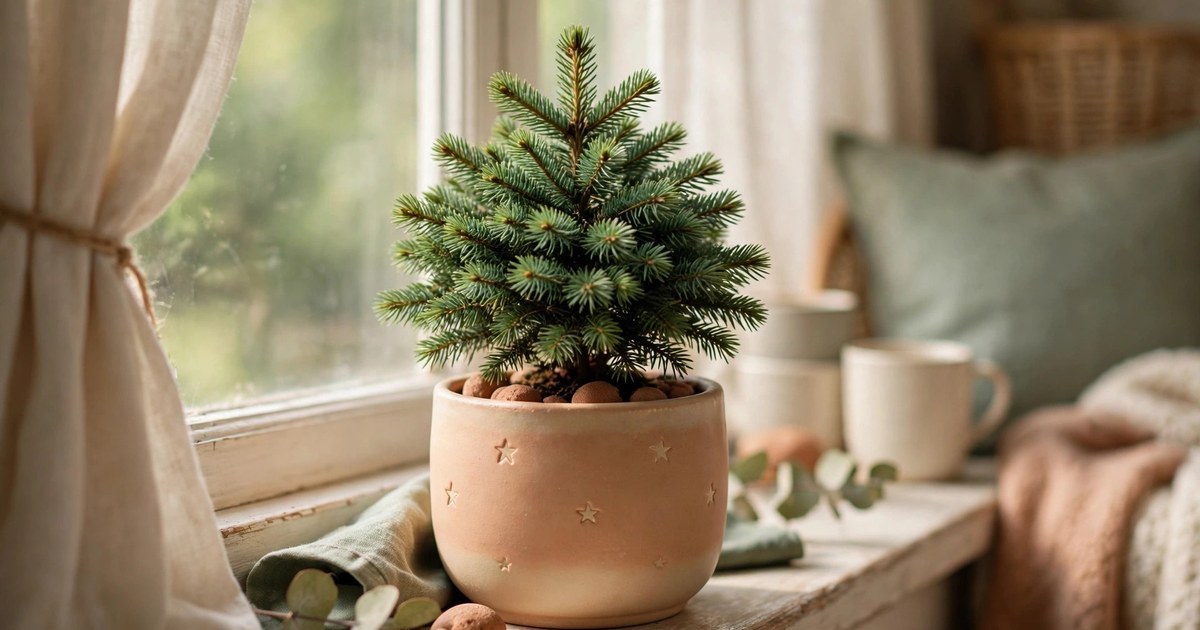
A dwarf Alberta spruce ($12–18) is a genuine miniature conifer — dense, perfectly cone-shaped, and slow-growing enough to live in a pot for years. Decorate it with a single star and a few mini baubles for a proper tiny tree, then keep it cool and bright afterwards.
Why it works: it's the most tree-like living option here. Guests assume it's artificial until they touch it.
Where it fits: the brightest, coolest spot you have — it dislikes hot dry rooms. Water when the top inch dries, mist occasionally, and give it a winter rest somewhere cool. In spring it can move to a balcony. Pet-safe foliage. Shop dwarf Alberta spruce
10. Winterberry stems in a vase
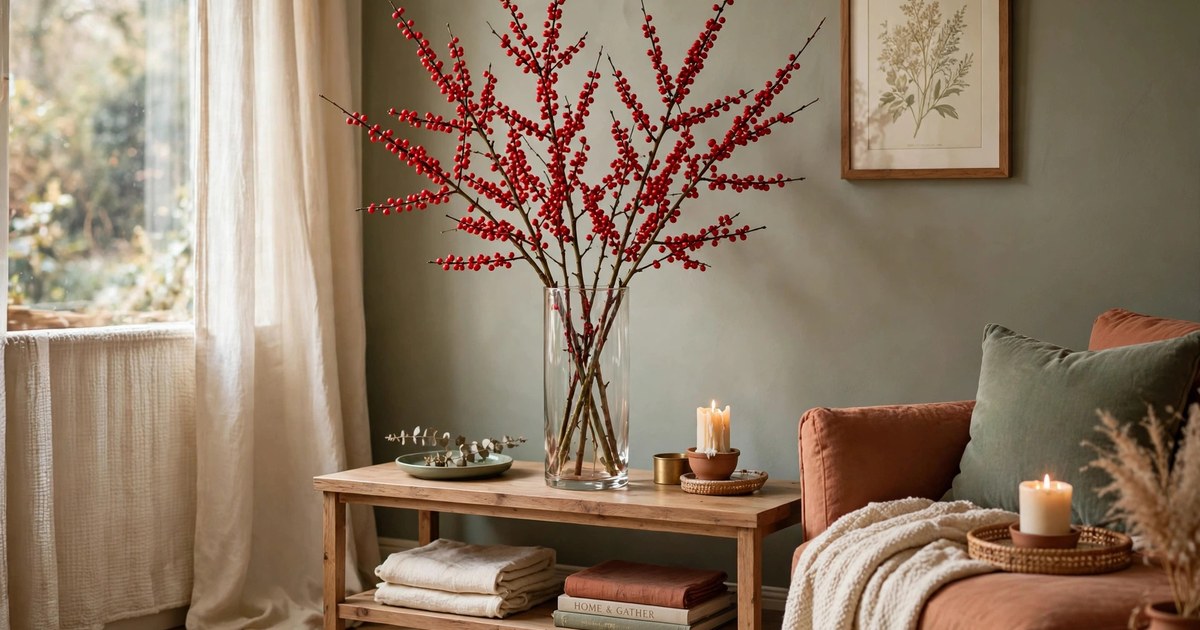
Not a plant to keep — a styling move. A bundle of cut winterberry stems ($10–15) in a tall vase gives you weeks of brilliant red berries with zero care beyond changing the water. They last 3–4 weeks indoors and look spectacular against cream walls and terracotta tones.
Why it works: maximum colour impact, zero long-term commitment, and the vertical arrangement takes up almost no surface area. The renter's cheat code for festive greenery.
Where it fits: console tables, entryways, and dining tables as a centrepiece. Recut stems every week and keep the water fresh. Berries are toxic if eaten — keep away from small children and pets. Shop winterberry stems