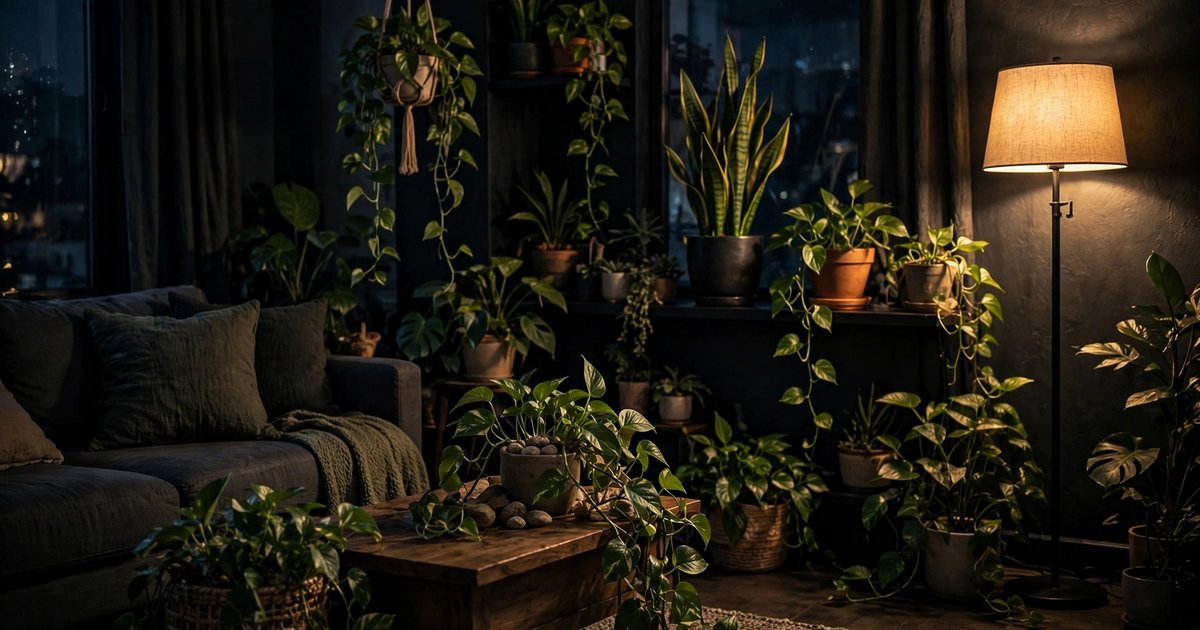
North-facing windows. A bedroom that gets twenty minutes of sun. A living room shaded by the building next door. If your apartment is dark, you've probably been told plants aren't for you. That's wrong — you just need the right plants.
These ten genuinely tolerate low light. Not "bright indirect light" marketing-speak — actual dim corners. Every one is renter-friendly (they all live in pots), budget-friendly (most under $25), and forgiving of the occasional forgotten watering.
What "low light" actually means
Quick calibration, because plant tags lie. Low light means a spot 6–10 feet from a window, or a north-facing window with no direct sun — you can read a book there during the day without turning on a lamp, but just barely. No light (a windowless bathroom or hallway) is different: no plant thrives there long-term, though a few survive for months. Be honest about your light and you'll stop killing plants.
The 10 survivors
1. Snake plant (Sansevieria)
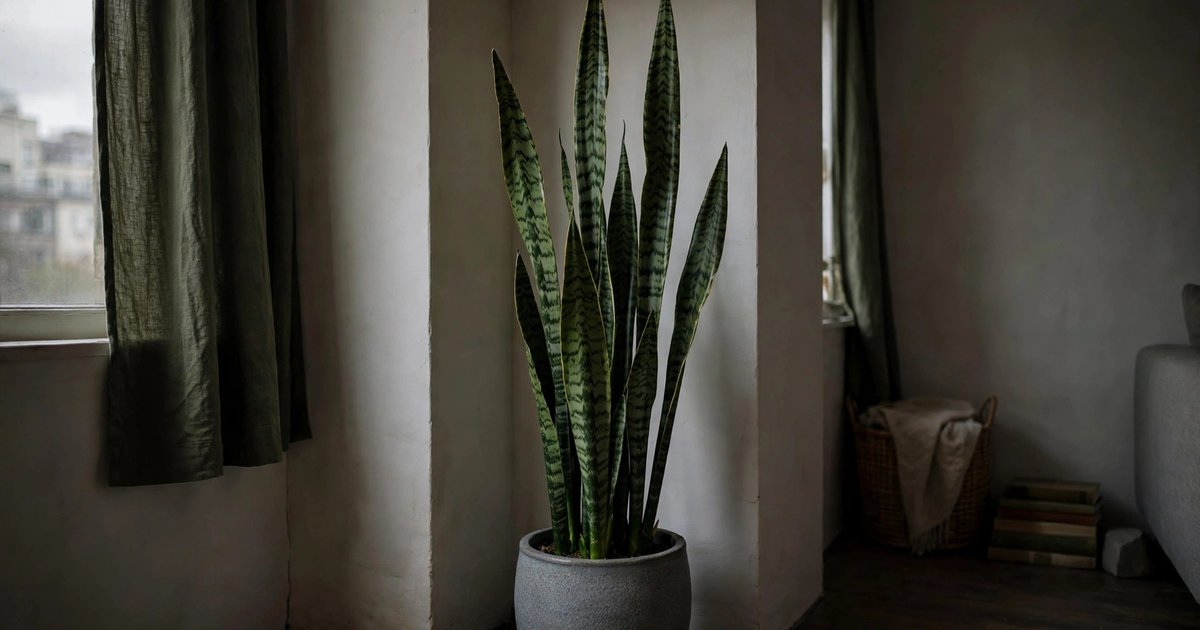
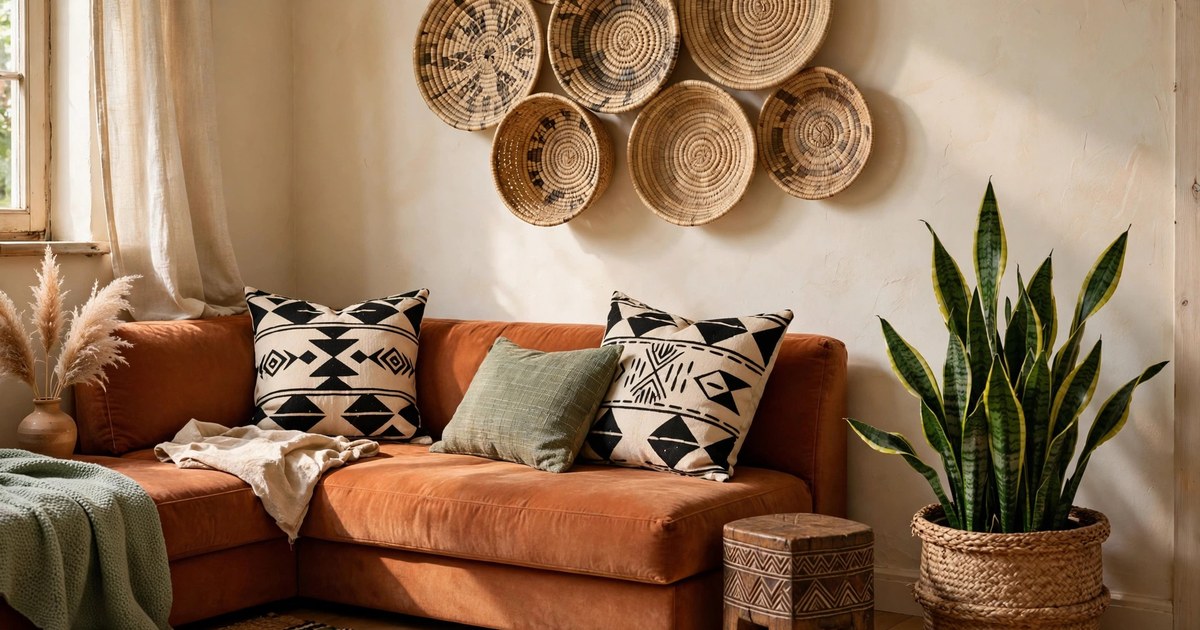
The undisputed champion of dark apartments. Snake plants tolerate near-darkness, need water only every 2–3 weeks, and their upright architectural leaves look expensive. A 2-foot snake plant in a simple pot is the single best $20 you can spend on apartment greenery.
2. ZZ plant (Zamioculcas zamiifolia)
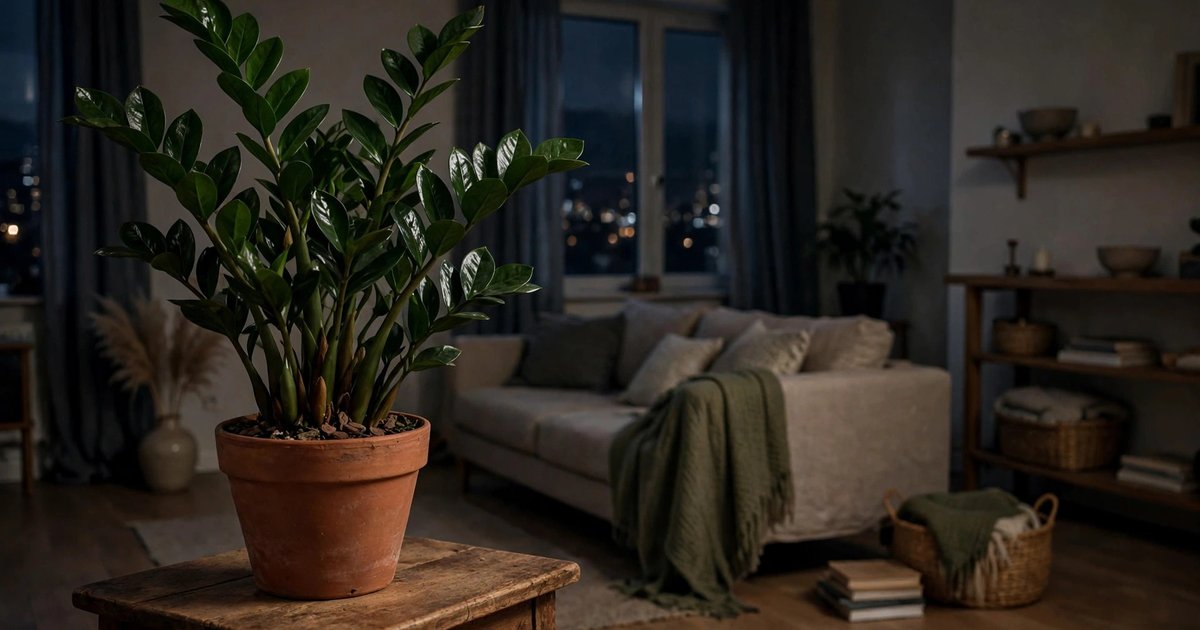
Glossy, sculptural, and nearly indestructible. ZZ plants store water in their rhizomes, so they forgive months of neglect, and they grow happily in offices with only fluorescent light — your dark bedroom is luxury by comparison. Slow-growing, so buy the size you want.
3. Golden pothos
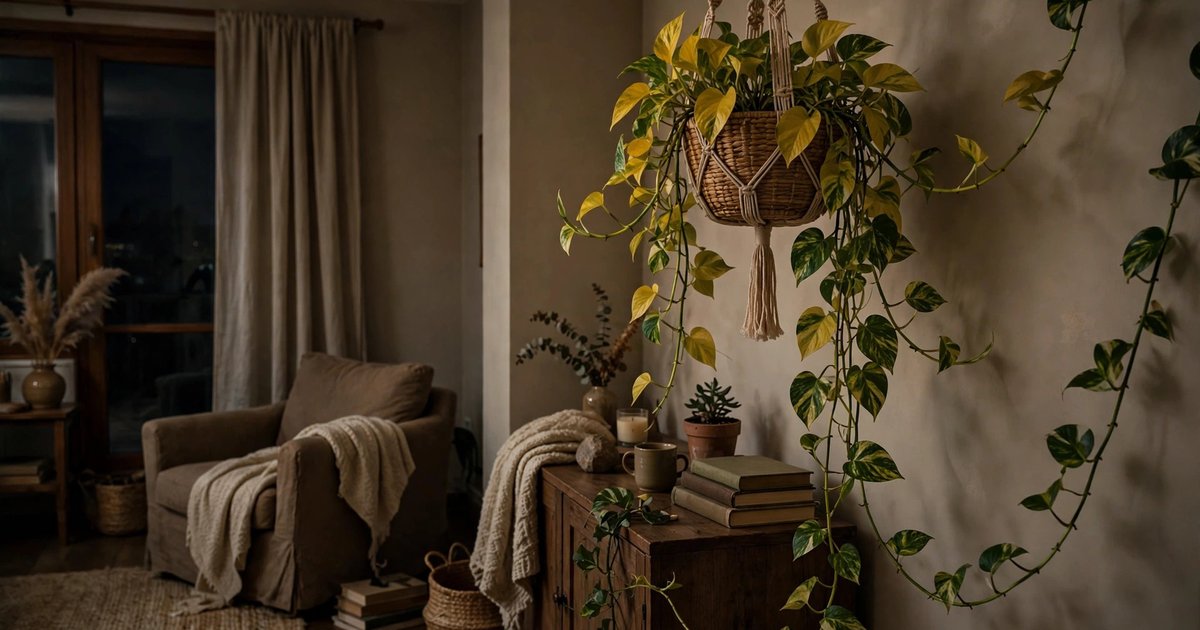
The trailer every dark apartment needs. Pothos survives low light (leaves stay smaller and less variegated, but the plant lives), propagates in water for free, and drapes beautifully from shelves. One $12 plant becomes five within a year if you take cuttings.
4. Cast iron plant (Aspidistra)
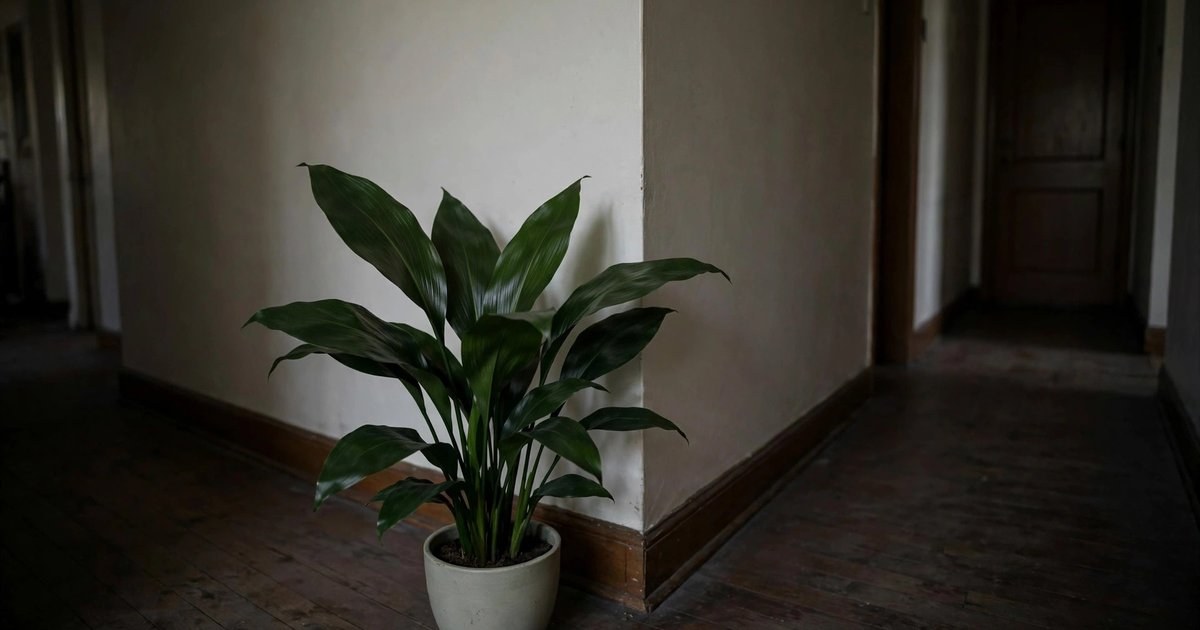
It earned the name. Cast iron plants survived Victorian parlors lit by gaslight — your north-facing living room is nothing. Broad dark-green leaves, extremely slow-growing, and unbothered by drafts, dust, and forgetful owners. Harder to find, worth the hunt.
5. Philodendron (heartleaf)
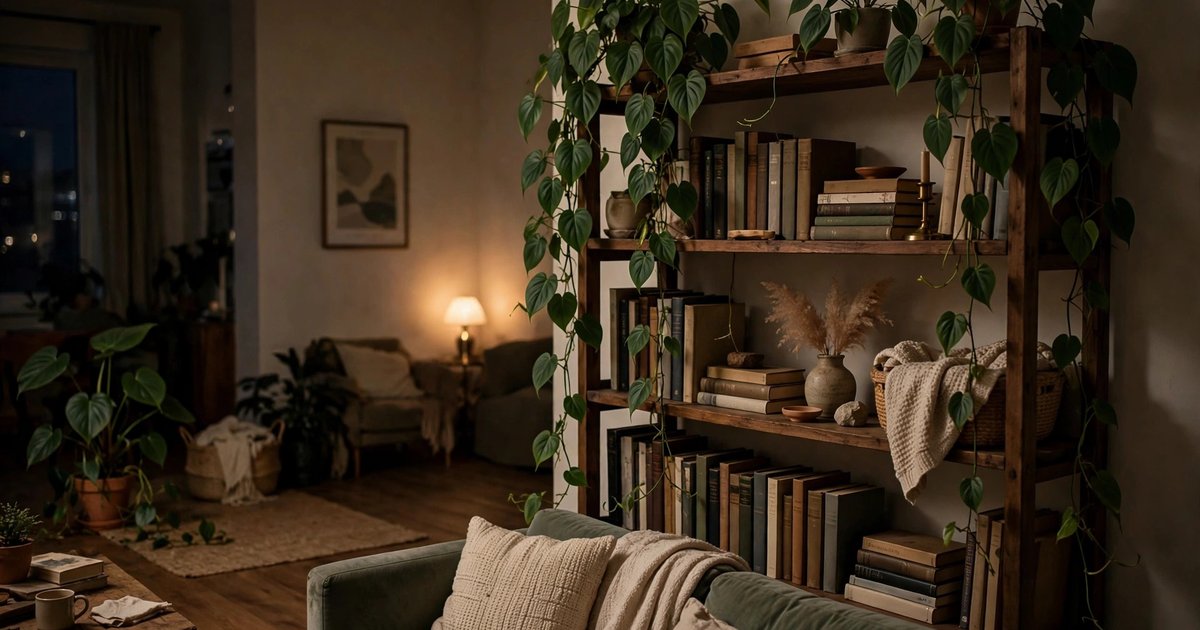
Pothos's softer cousin. Heartleaf philodendron trails just as willingly, tolerates the same low light, and has a slightly more delicate look that suits bedrooms. Mix it with pothos on the same shelf for varied texture with identical care.
6. Chinese evergreen (Aglaonema)
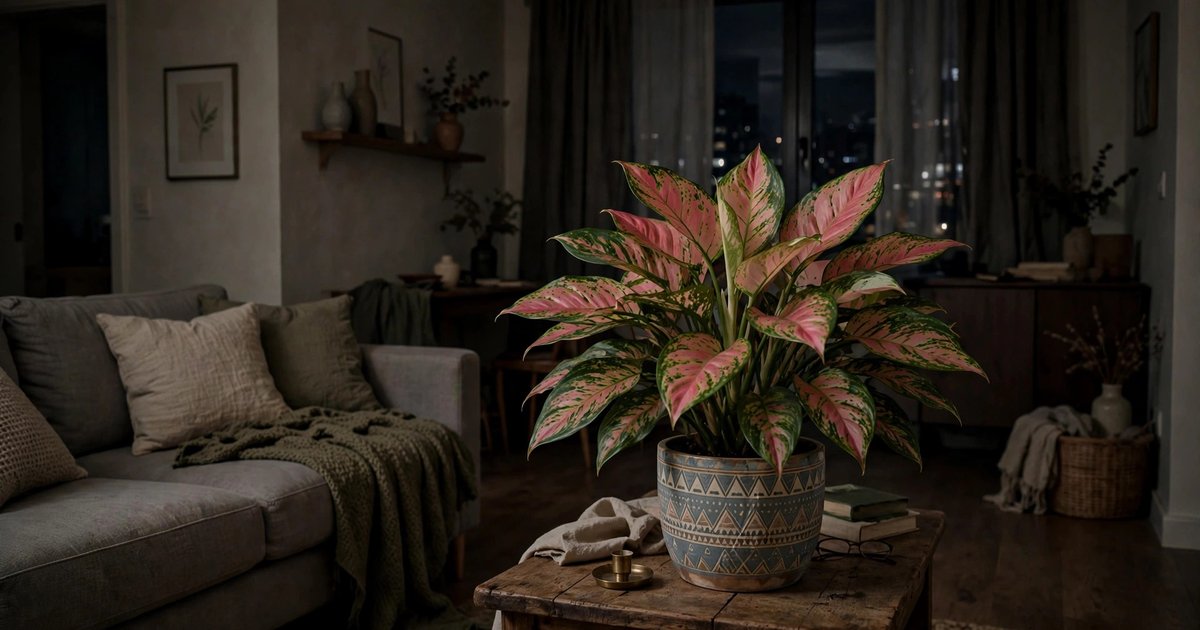
The most decorative low-light option. Silver-green patterned leaves that brighten dark corners visually even when the light is poor. Tolerates low light and low humidity — the two things dark apartments usually have. Avoid cold drafts.
7. Parlor palm (Chamaedorea elegans)
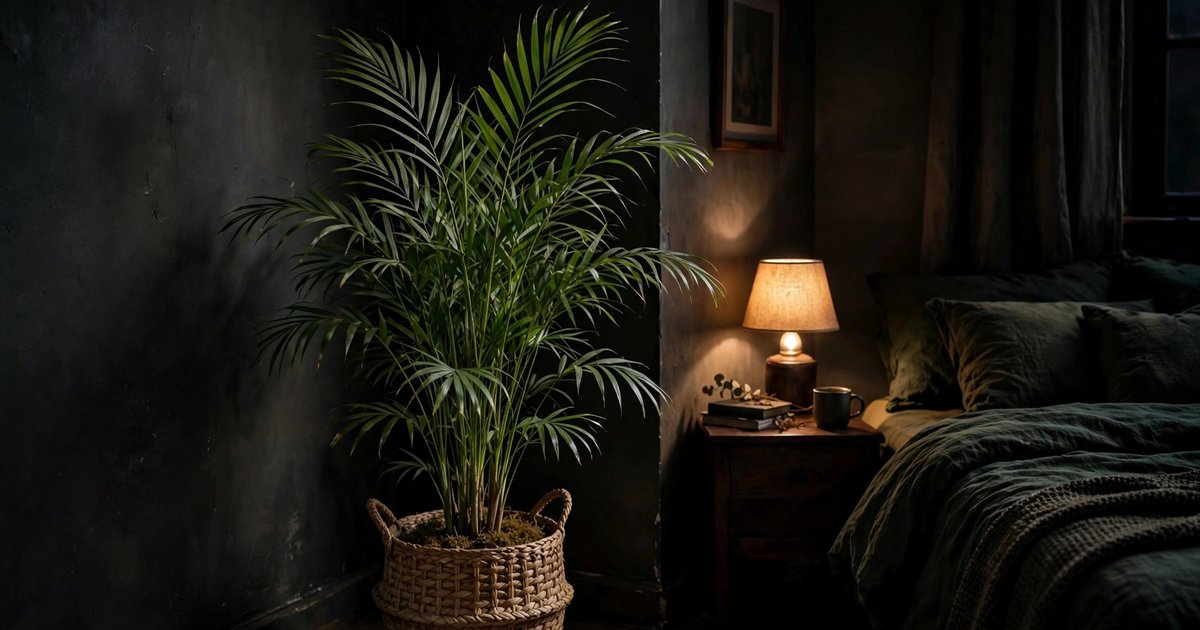
The classic Victorian parlor plant for a reason — it evolved as an understory plant in Mexican rainforests, meaning it's literally designed for shade. Adds soft, feathery texture that contrasts nicely with the stiff leaves of snake plants and ZZs. Likes its soil lightly moist.
8. Spider plant
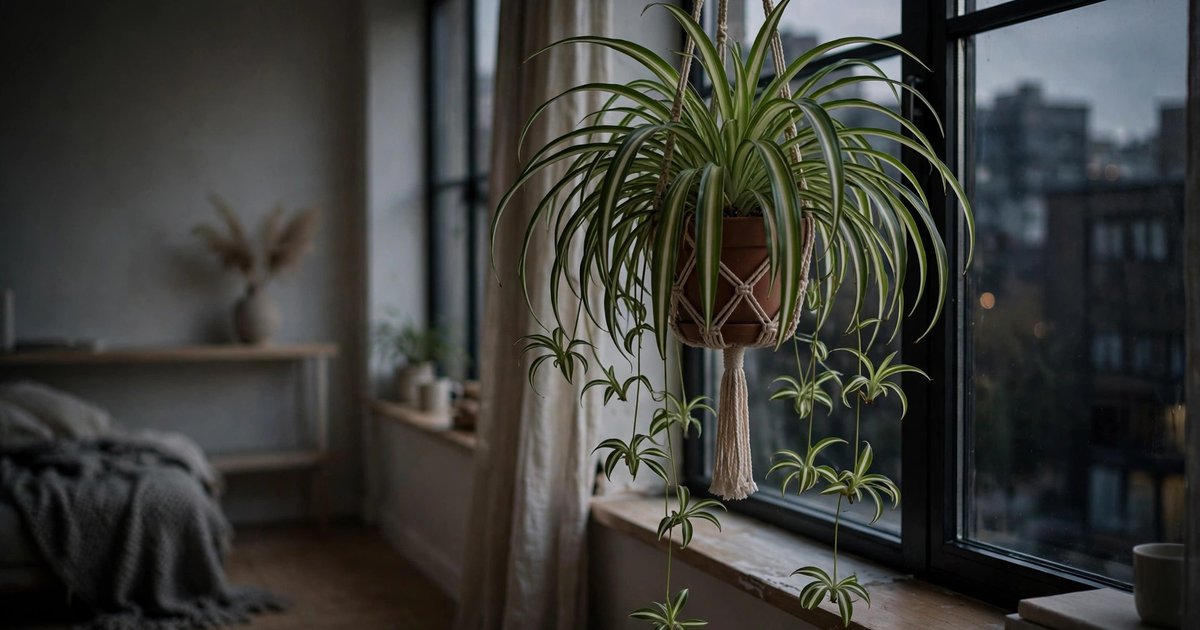
Nearly unkillable, endlessly propagatable (those baby "spiderettes" root in water), and one of the few low-light plants that actually looks full and lush rather than just surviving. Hang it or put it on a high shelf so the arching leaves can drape.
9. Peace lily
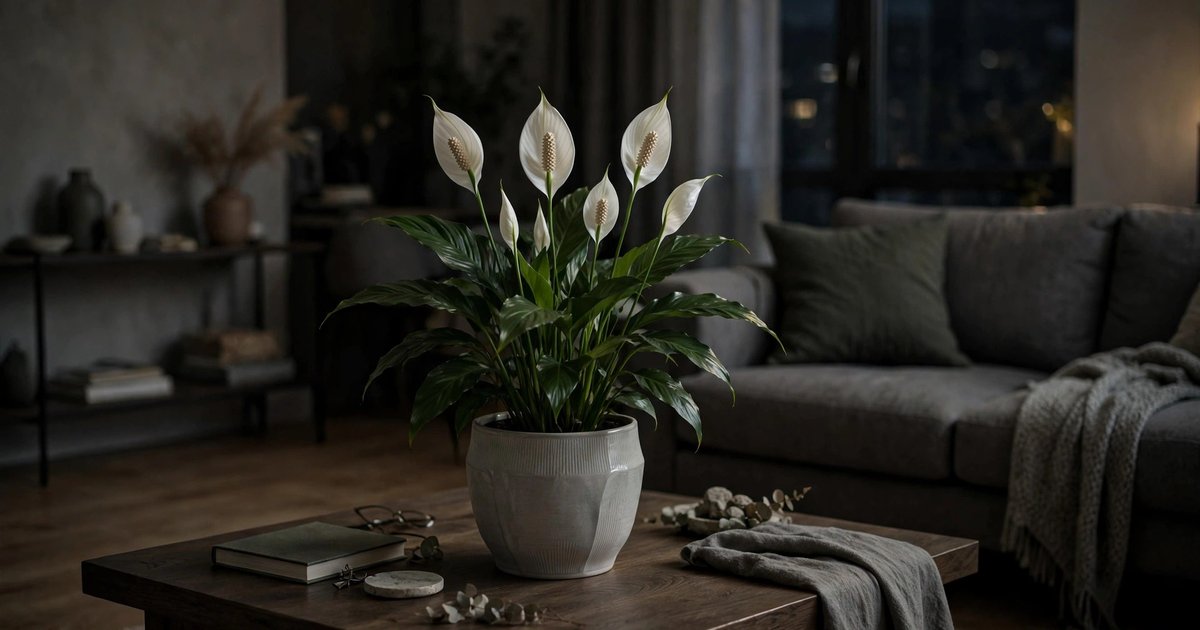
The only flowering plant on this list. Peace lilies bloom even in low light and dramatically droop when thirsty — then perk up within hours of watering, so they literally tell you what they need. Note: mildly toxic to pets, so skip if you have curious cats.
10. Dracaena 'Janet Craig'
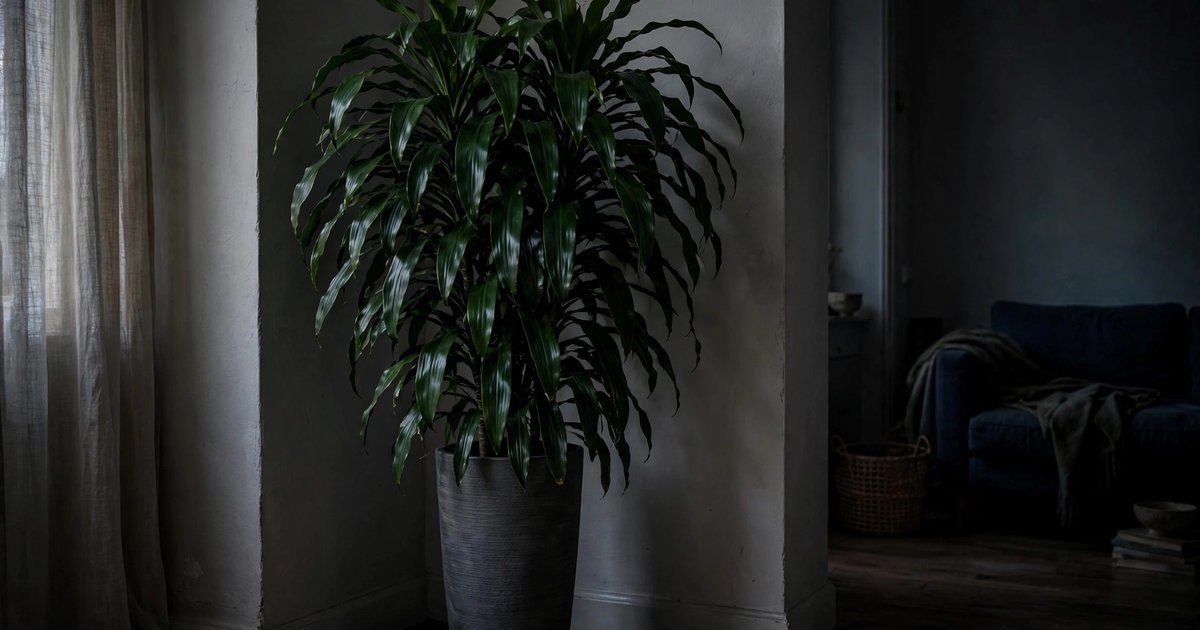
A compact, dark-green dracaena that shrugs off low light and irregular care. Its broad leaves read as lush and tropical even in a dim hallway. One of the best "fill a dark corner" plants because it stays neat and upright.
Where to put them: a dark-apartment placement guide
- 6–10 ft from a north window: pothos, philodendron, spider plant, peace lily — they'll grow slowly but steadily.
- Dark bedroom corner: snake plant, ZZ plant, cast iron plant — the true survivors.
- Bathroom with a small frosted window: parlor palm, Chinese evergreen — they love the humidity.
- Hallway with no window: rotate a snake plant or ZZ in for 2–3 months, then swap it to a brighter spot to recover. No plant lives in zero light forever.
For styling ideas once you've picked your plants, see 12 bedroom plant styling ideas.
How not to kill them (the 3 rules)
Rule 1: Water less than you think. In low light, plants drink slowly. The #1 killer of low-light plants is overwatering, not darkness. Stick your finger an inch into the soil — if it's damp, walk away.
Rule 2: Don't fertilize much. Low light means slow growth means minimal hunger. Half-strength fertilizer once or twice in spring and summer is plenty. More just burns roots.
Rule 3: Dust the leaves. In dim rooms, every photon counts. Wipe broad leaves with a damp cloth every month or two — a dusty snake plant photosynthesizes noticeably worse than a clean one.
Shop this look: dark-apartment starter kit
- Snake plant (6-inch pot) — the one plant every dark apartment should own first. Shop snake plants
- ZZ plant (6-inch pot) — glossy, sculptural, thrives on neglect. Shop ZZ plants
- Golden pothos (4-inch, 3-pack) — instant trailing greenery for shelves. Shop pothos 3-pack
- Moisture meter — the $10 tool that ends overwatering forever. Shop moisture meters
- Grow light bulb (full spectrum) — screws into any lamp; the cheat code for truly dark corners. Shop grow light bulbs
Frequently Asked Questions
Can any plant survive with zero natural light?
Not long-term. The toughest plants (snake plant, ZZ) can survive months in a windowless room, but they slowly decline. For truly lightless spots, rotate plants every few months or add a $15 full-spectrum grow bulb in a regular lamp — it makes an enormous difference.
Why do my low-light plants keep dying if they're "easy"?
Nine times out of ten: overwatering. Low light means slow water use, so the "water weekly" advice on the tag drowns them. Water only when the top inch of soil is dry, make sure pots have drainage holes, and empty saucers after watering.
Do low-light plants still clean the air?
The famous NASA clean-air study is often overstated — you'd need roughly 10–100 plants per square meter to match its results. Plants do add humidity and psychological comfort, which are real benefits. Buy them because they make your apartment feel alive, not as air purifiers.
Which low-light plants are safe for cats and dogs?
Spider plants, parlor palms, and most dracaenas are non-toxic. Avoid peace lilies, ZZ plants, pothos, and philodendrons if you have pets that chew — all are toxic when ingested. When in doubt, hang trailing plants out of reach.
How fast will these plants grow in low light?
Slowly — and that's fine. A snake plant might add 2–4 new leaves a year in a dark corner versus a dozen in bright light. Buy the size you want to see, not the size you hope it becomes. Slow growth also means less pruning and repotting.
Should I mist my low-light plants?
Mostly no. Misting raises humidity for about five minutes and can encourage fungal issues on leaves that stay damp in still, dark air. If your apartment is very dry in winter, group plants together or run a small humidifier instead — both work far better than misting.