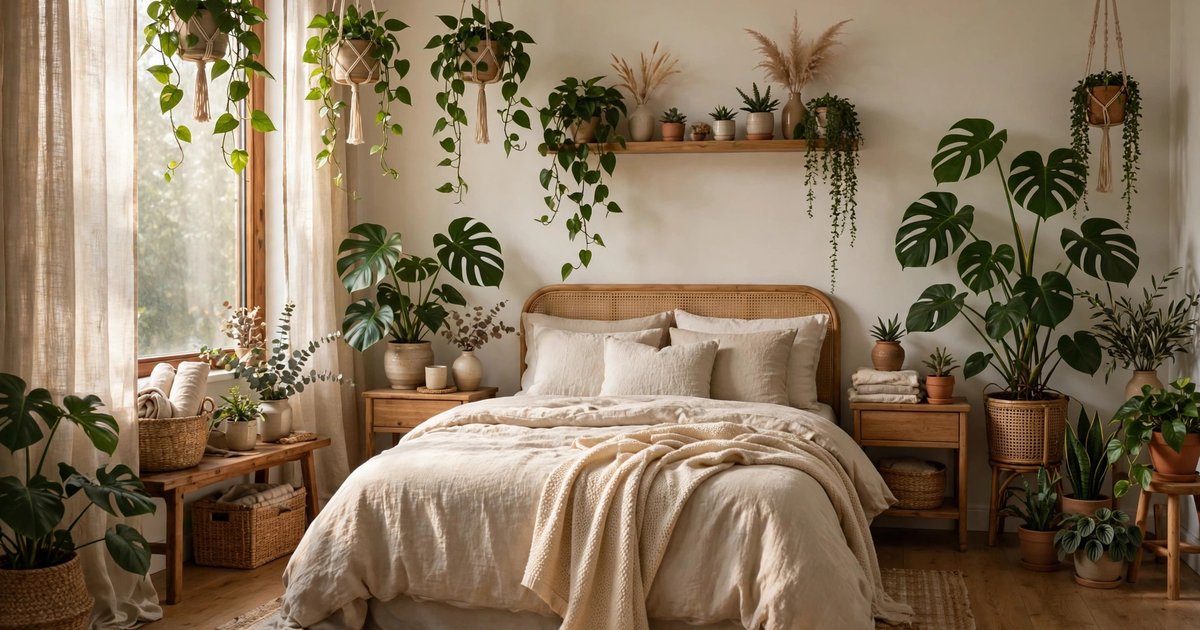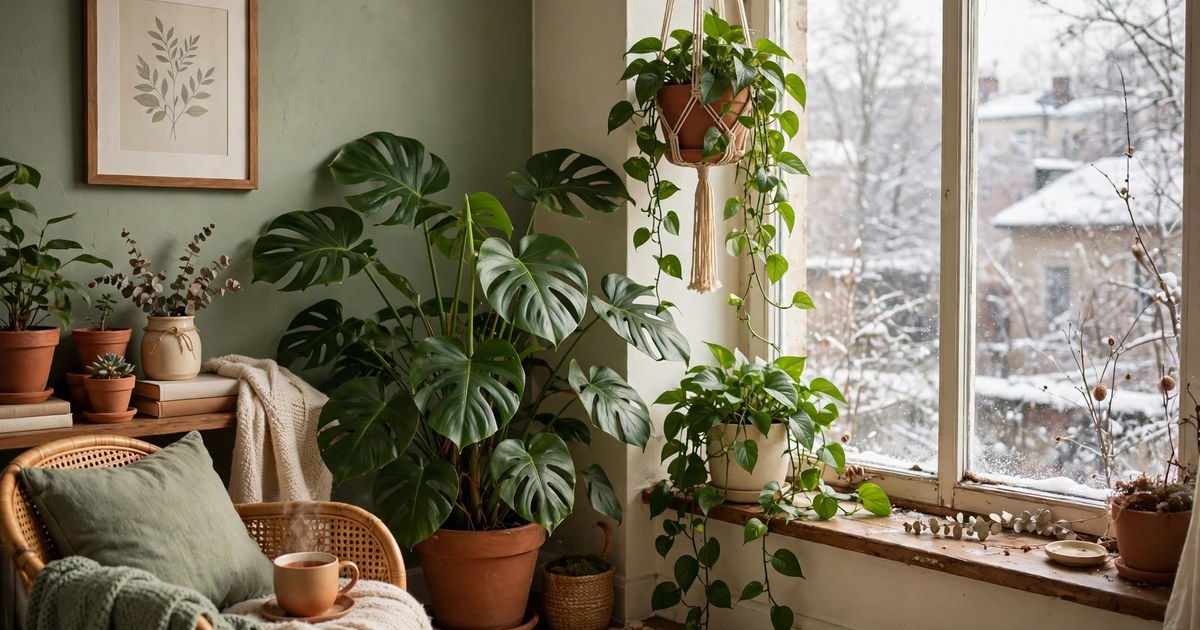
Every October, the same quiet plant tragedy plays out in rentals everywhere: the heating clicks on, the windows start weeping condensation, and houseplants that thrived all summer begin dropping yellow leaves. Winter is the hardest season for indoor plants — less light, dry heated air, cold drafts — and renters get the worst of it, with single-glazed windows, radiators under every sill, and no control over the thermostat.
The good news: winterizing your plants takes one focused afternoon and costs almost nothing. These seven steps are built for rented flats — no drilling, no permanent changes, no arguing with your landlord about the heating. Do them now, and your plants will cruise through to spring instead of barely surviving.
Step 1: Audit your windows and banish drafts
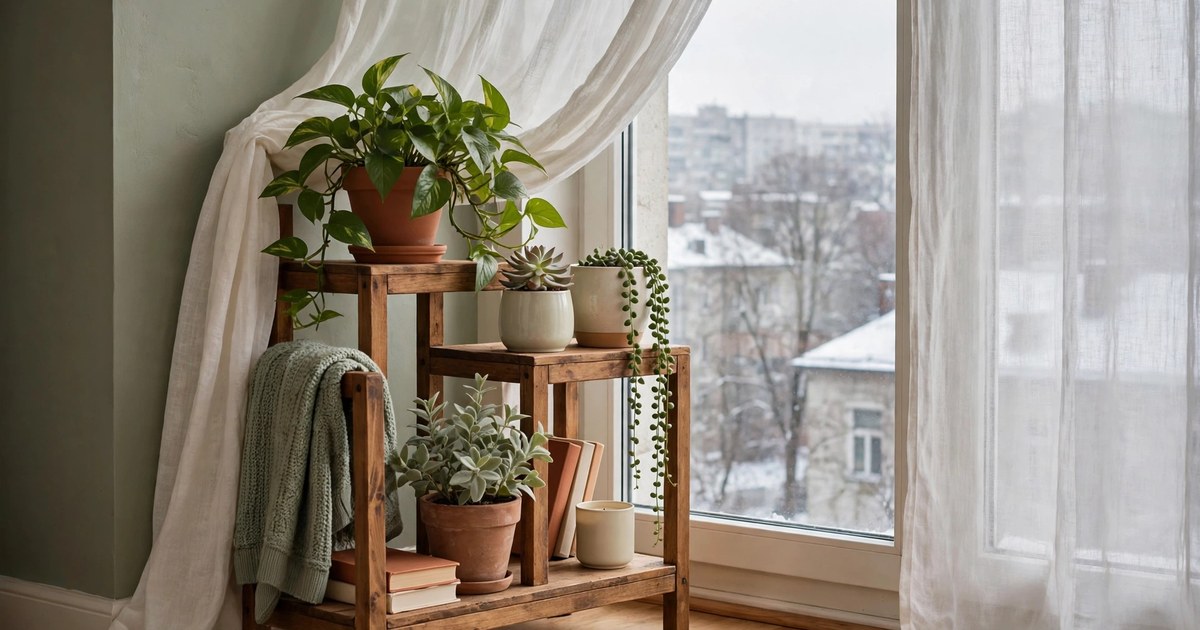
Cold glass is a plant killer. On a chilly evening, hold your hand near each window where plants sit — if you feel a draft or the glass is ice-cold, that spot is now off-limits until spring. Move plants back 30–60 cm from the pane; the light difference is negligible but the temperature difference is enormous. Tropical plants like calatheas and monsteras suffer first, often showing it as brown leaf edges within days.
Renter fix: a rolled-up towel along a drafty sill, or removable window insulation film ($5–8 a kit), cuts the chill dramatically. Both come off cleanly in spring, and your heating bill will thank you too.
Step 2: Deep-clean and pest-check every plant
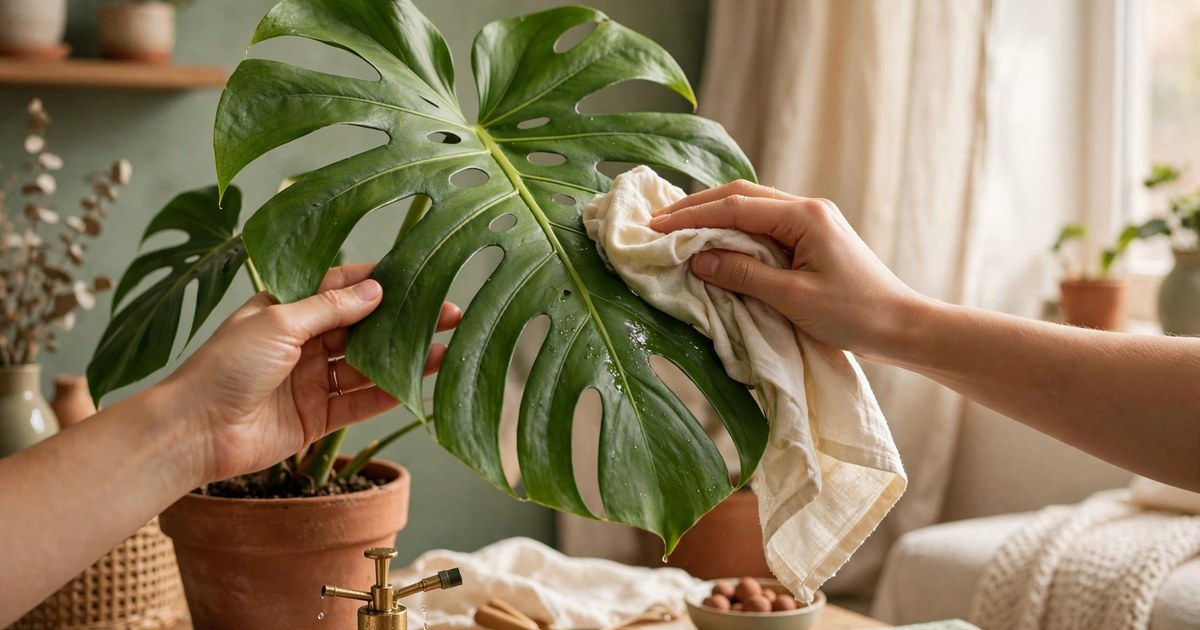
Before winter sets in, give every plant a spa day. Wipe each leaf top and bottom with a damp cloth — dust blocks the already-scarce winter light, and the undersides are where spider mites and mealybugs hide. While you're at it, inspect stems, soil surface, and drainage holes for pests. Catching an infestation now matters because pests reproduce happily in warm, dry, heated flats all winter.
If you find pests: isolate the plant immediately, treat with insecticidal soap or neem oil, and recheck weekly. One infested plant in a grouped winter huddle (see Step 6) becomes ten infested plants by February.
Step 3: Water less — learn the winter rule
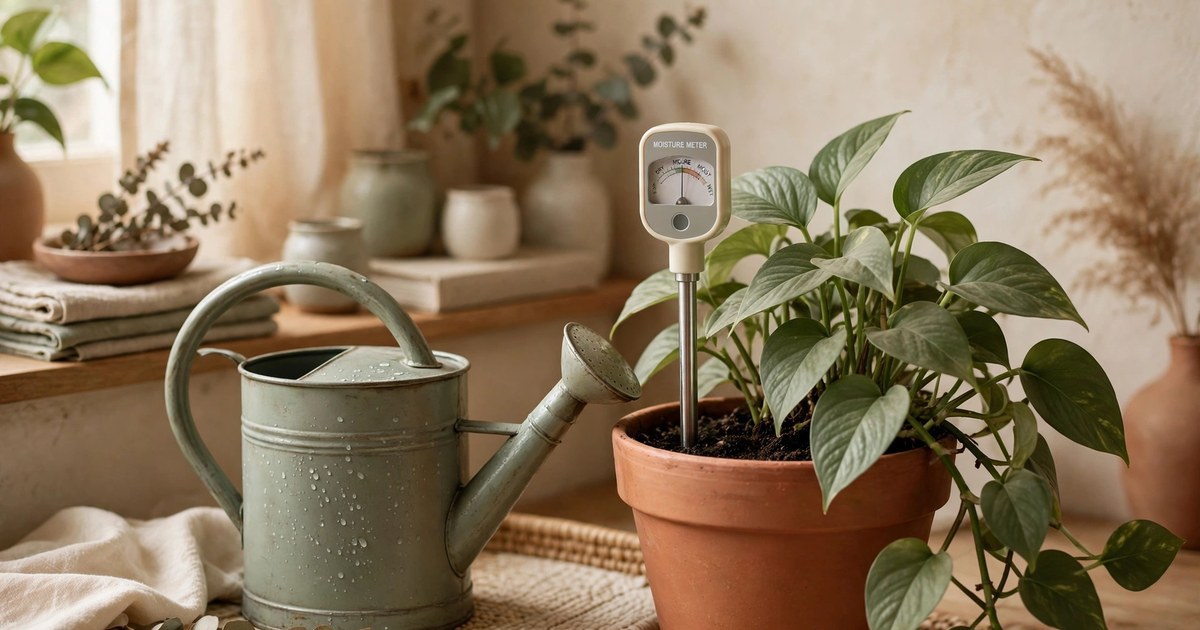
The number one winter plant killer isn't cold — it's overwatering. Shorter days mean slower growth, which means plants drink far less. Soil that dried out in three days in July can stay wet for two weeks in December, and soggy winter soil rots roots fast. The rule: check the top 3–5 cm of soil with your finger, and only water when it's dry. When in doubt, wait another day.
Renter tip: a $5 moisture meter removes all guesswork and pays for itself with the first plant it saves. Also, always use room-temperature water — cold water from the tap shocks warm roots.
Step 4: Stop feeding until spring
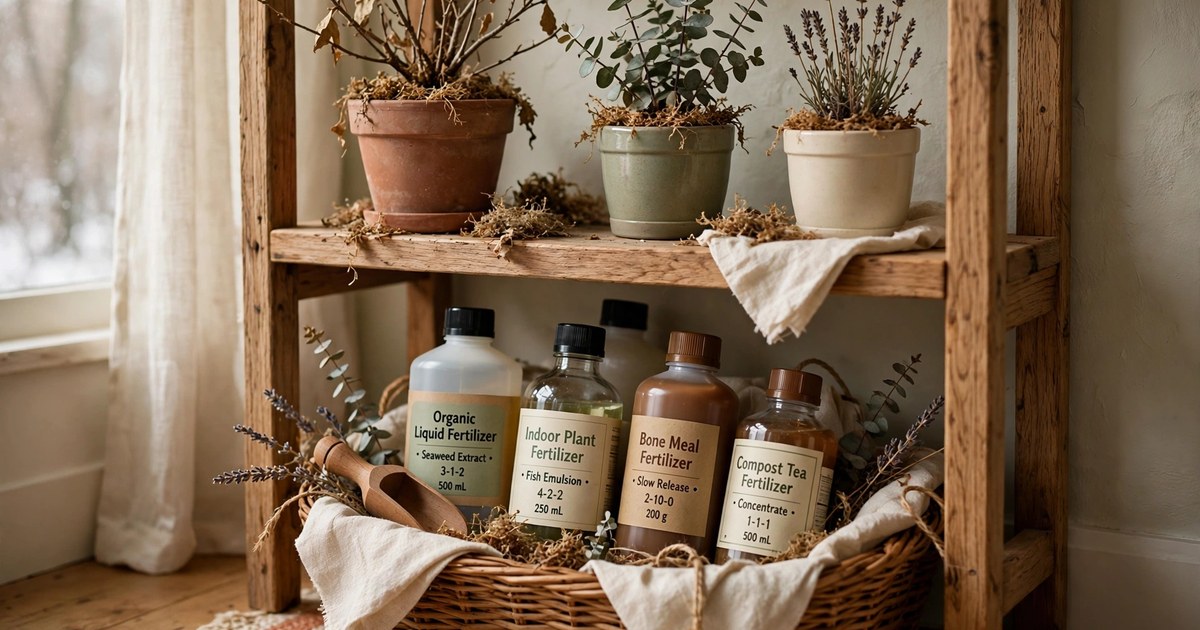
Your plants are about to go semi-dormant, and feeding a dormant plant is like serving dinner to someone asleep — the unused fertilizer salts just build up in the soil and burn roots. Stop all fertilizing from now until you see fresh spring growth (usually March). Put the bottles in a basket, out of sight, so you're not tempted on a bright February day.
The exception: if a plant is actively pushing new leaves under a grow light, a quarter-strength feed once a month is fine. Everything else waits for spring.
Step 5: Maximize every ray of winter light
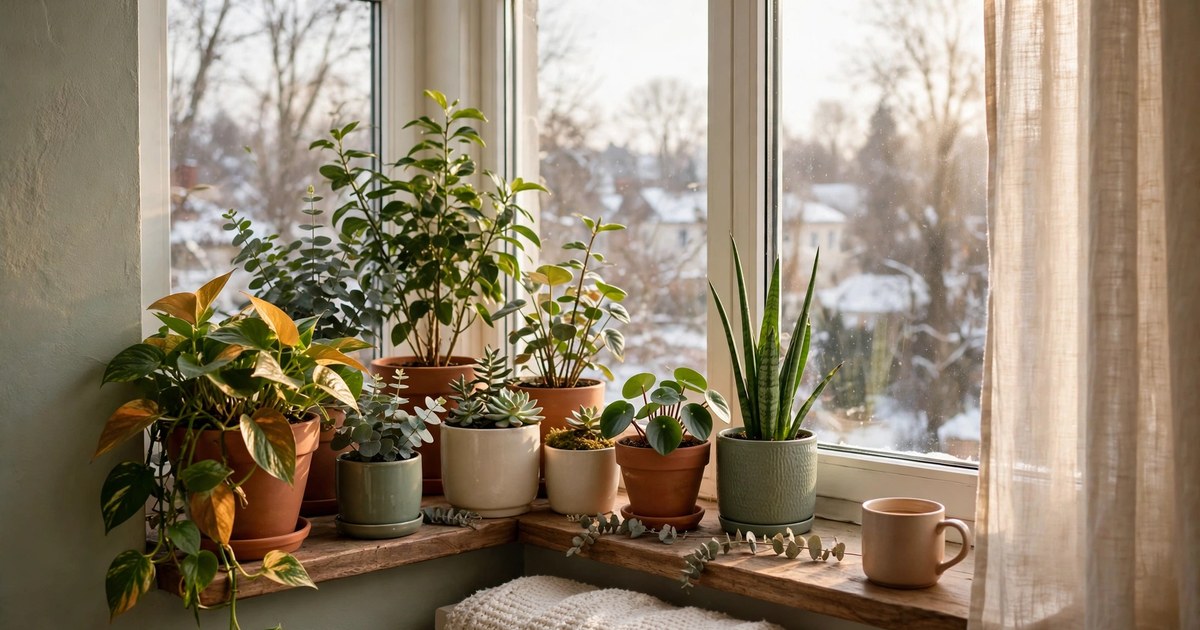
Winter daylight can be half the intensity of summer, so every photon counts. Clean your windows inside and out — you'd be amazed how much light a year's grime steals. Move light-hungry plants (succulents, fiddle leaf figs, citrus) to your brightest south- or west-facing sill, and rotate every pot a quarter-turn weekly so all sides get their share.
No bright windows? A single full-spectrum LED grow bulb ($10–15) in a desk lamp, on a timer for 10–12 hours a day, keeps a whole shelf of plants happy. It's the best $12 a plant renter can spend in October.
Step 6: Fight dry air with pebble trays and plant grouping
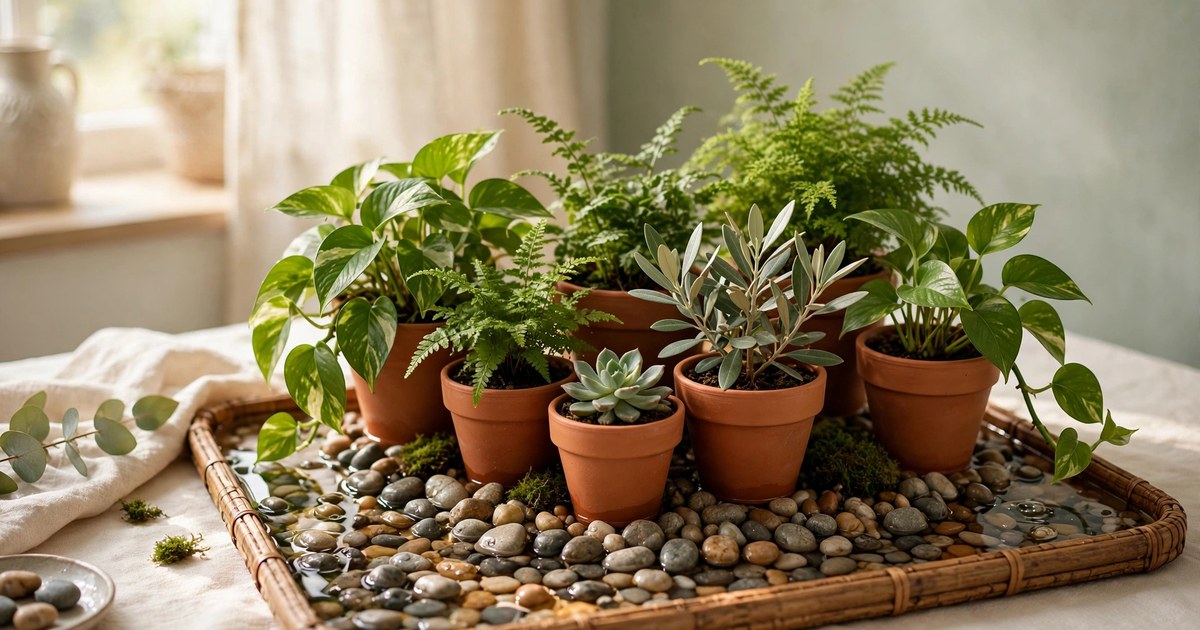
Central heating drops indoor humidity to desert levels — 20–30% — while most houseplants want 40–60%. Crispy brown leaf tips are the classic symptom. The renter-friendly fix needs no humidifier: set pots on trays of pebbles with water just below the pebble tops (evaporation humidifies the air around the leaves), and group plants together so they share each other's transpiration.
Grouping bonus: clustered plants also look intentional and lush — a winter plant huddle doubles as decor. Just keep leaves from touching so air circulates, and recheck the group weekly for pests.
Step 7: Shield plants from radiators — and skip repotting till spring
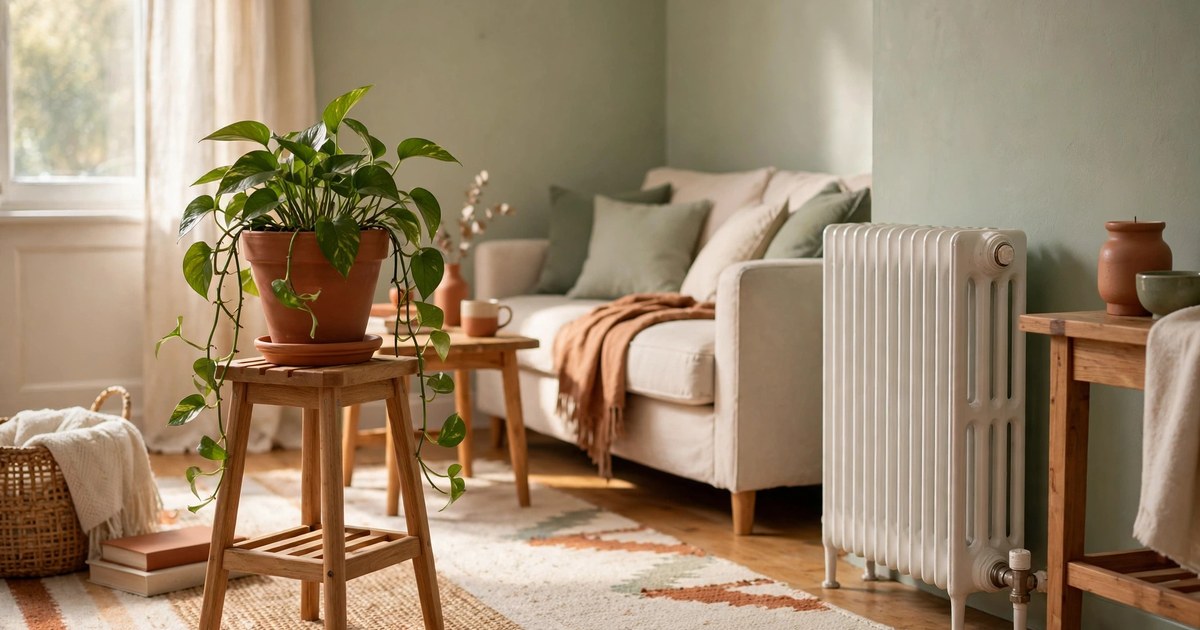
In rentals, the warmest spot is often the worst: directly above a radiator. Blasts of hot, dry air scorch leaves and bake soil dry in hours. Keep every plant at least a metre from radiators and heat vents, and never on a windowsill with a radiator directly beneath it. A simple shelf or plant stand buys you that crucial distance — and gets the plant closer to the light above the radiator too.
Finally, resist the urge to repot. Winter-repotted plants sit in damp, oversized soil for months and sulk. If a plant is badly root-bound, slip-pot it (whole root ball into a slightly bigger pot, no root disturbance) — otherwise, make a repotting list for March and leave everyone alone until then.
You may also like
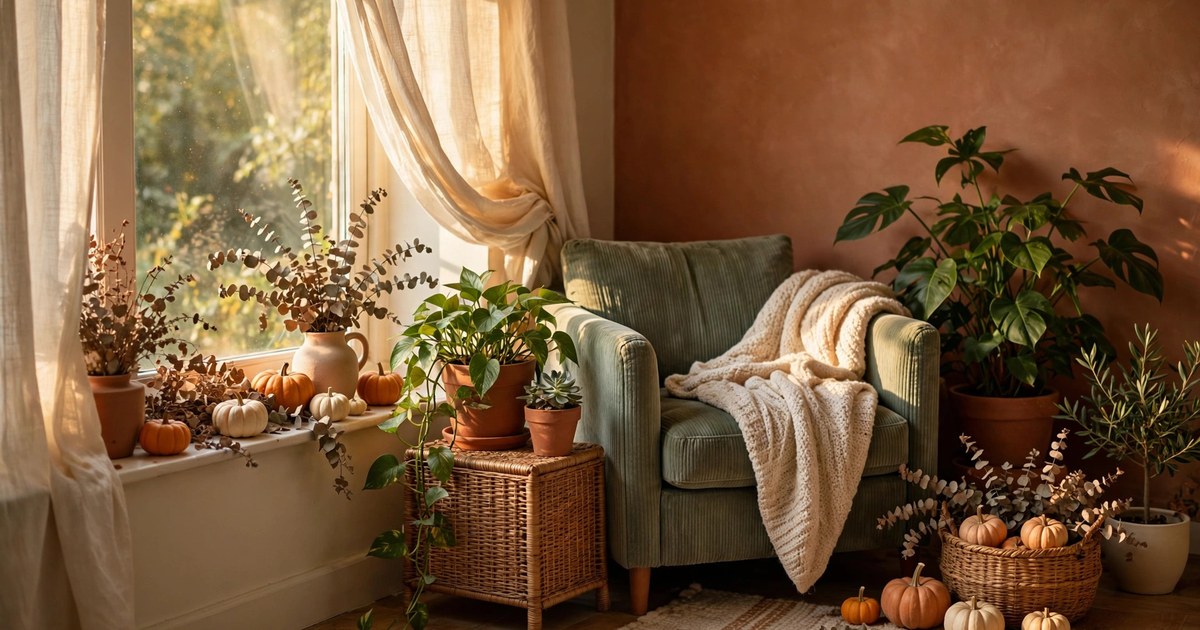
12 Fall Plant Styling Ideas for a Cozy Autumn Home
October 18, 2026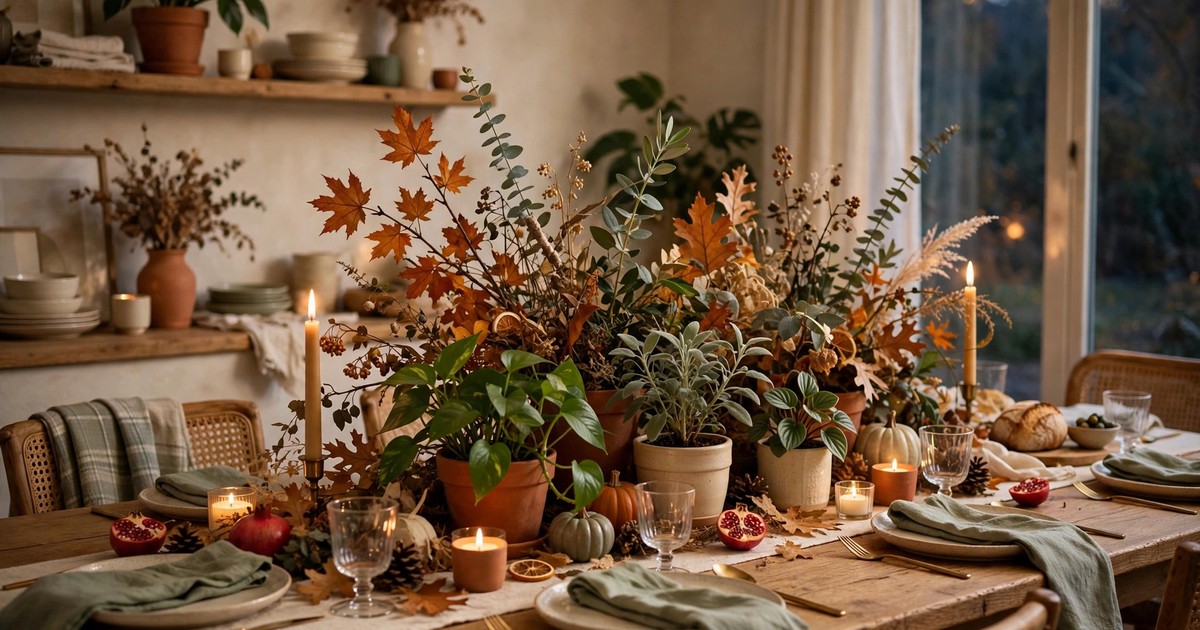
How to Build a Thanksgiving Centerpiece With Houseplants and Fall Branches
October 16, 2026