Nothing transforms a rental like wallpaper. One accent wall takes a room from "landlord beige" to "designed" in an afternoon — and modern peel-and-stick wallpaper genuinely peels off clean when you move. The technology has come a long way from the shelf-liner stuff of a decade ago.
But pattern choice matters enormously, especially in small rooms. The wrong pattern closes a room in; the right one adds depth. Here are nine renter-safe ideas plus the application guide that prevents the two big failures: bubbles and wall damage.
The 9 patterns (and where they work)
1. Grasscloth texture
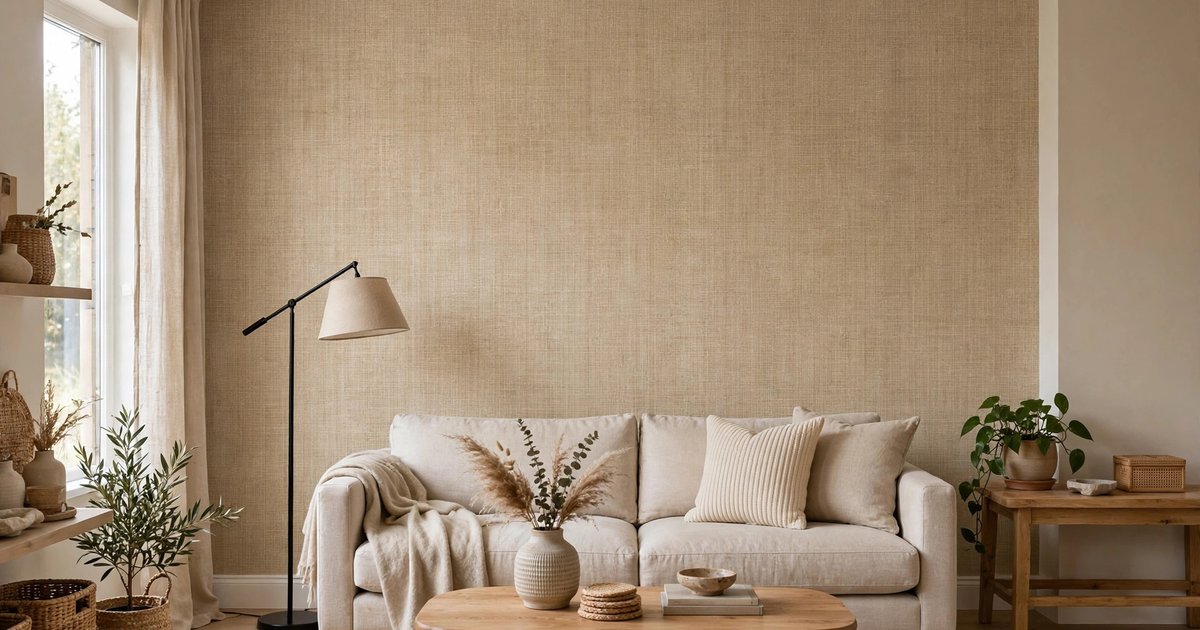
The safest, most versatile choice. Grasscloth-look peel-and-stick adds tactile warmth without a visible pattern repeat, so it never overwhelms. Works in bedrooms, living rooms, entryways — everywhere. If you're wallpapering for the first time, start here.
2. Thin vertical stripes
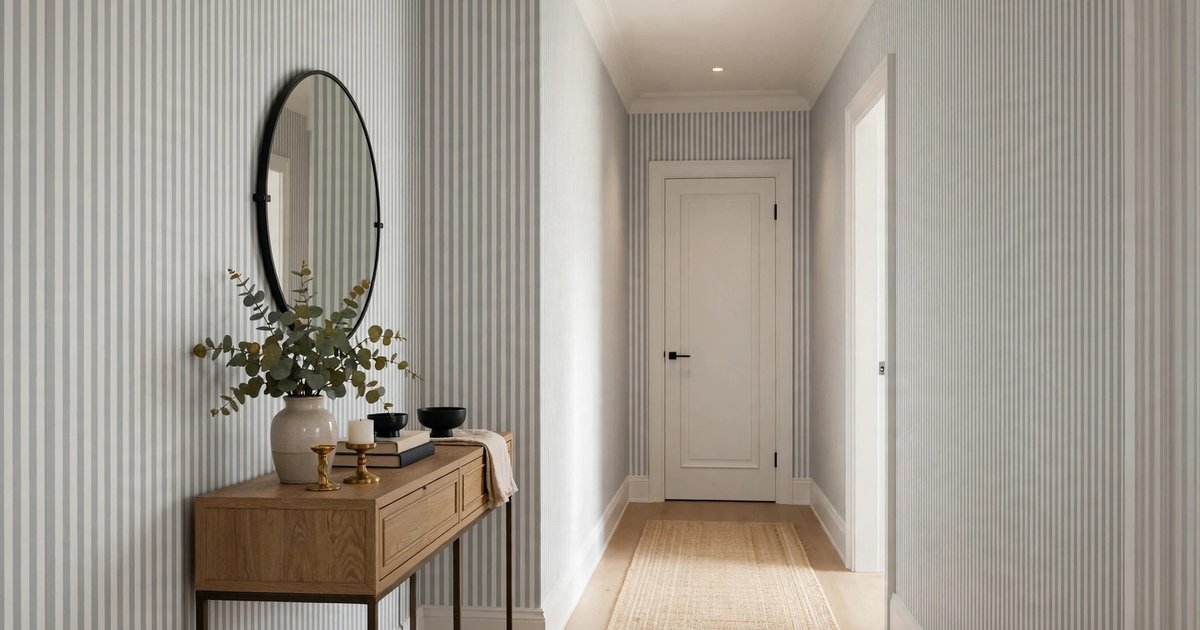
Stripes draw the eye up, making ceilings look taller — the oldest trick in the book, and it works. Keep stripes thin (under 2 inches) and low-contrast (cream on white, sage on cream) in small rooms. Bold wide stripes are for big rooms only.
3. Soft arches (the Pinterest classic)
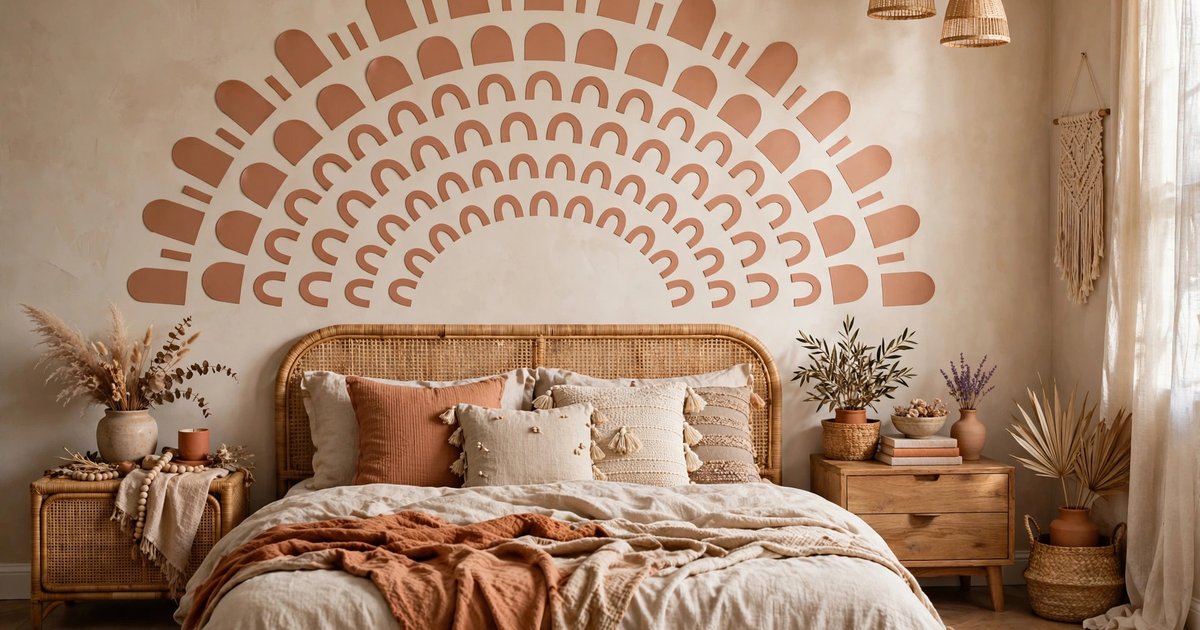
The arch pattern — repeating soft curves in earthy tones — is everywhere for a reason: it's geometric enough to feel modern, soft enough to feel warm. Perfect behind a bed (it creates a faux headboard effect) or in a dining nook. Our small bedroom ideas pair it with white bedding beautifully.
4. Botanical prints
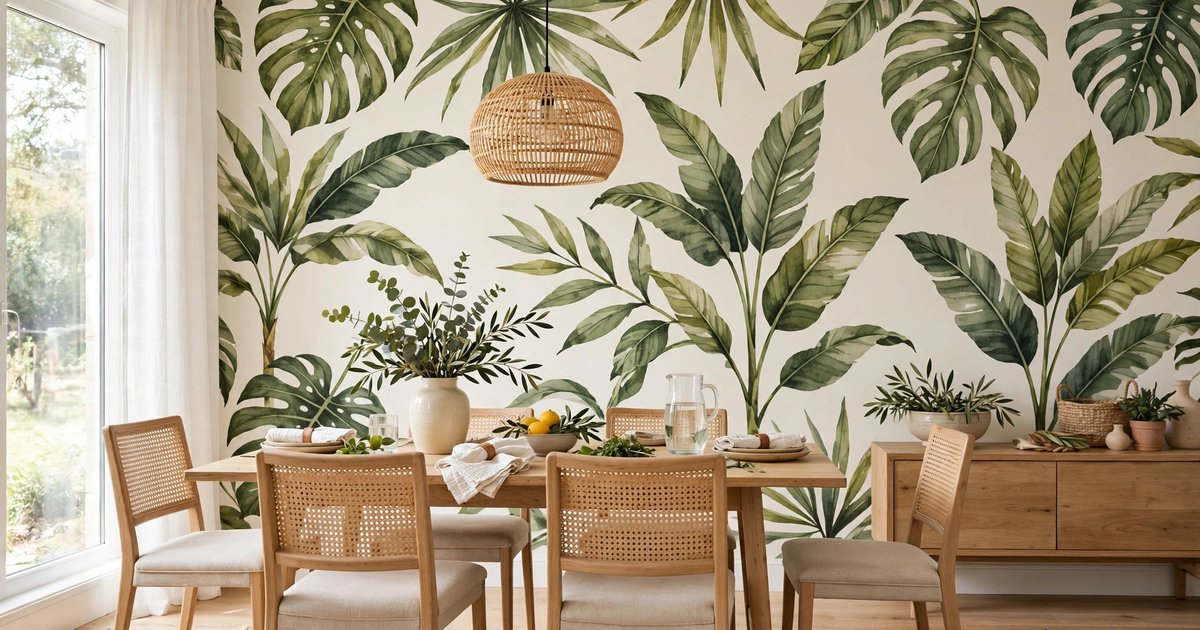
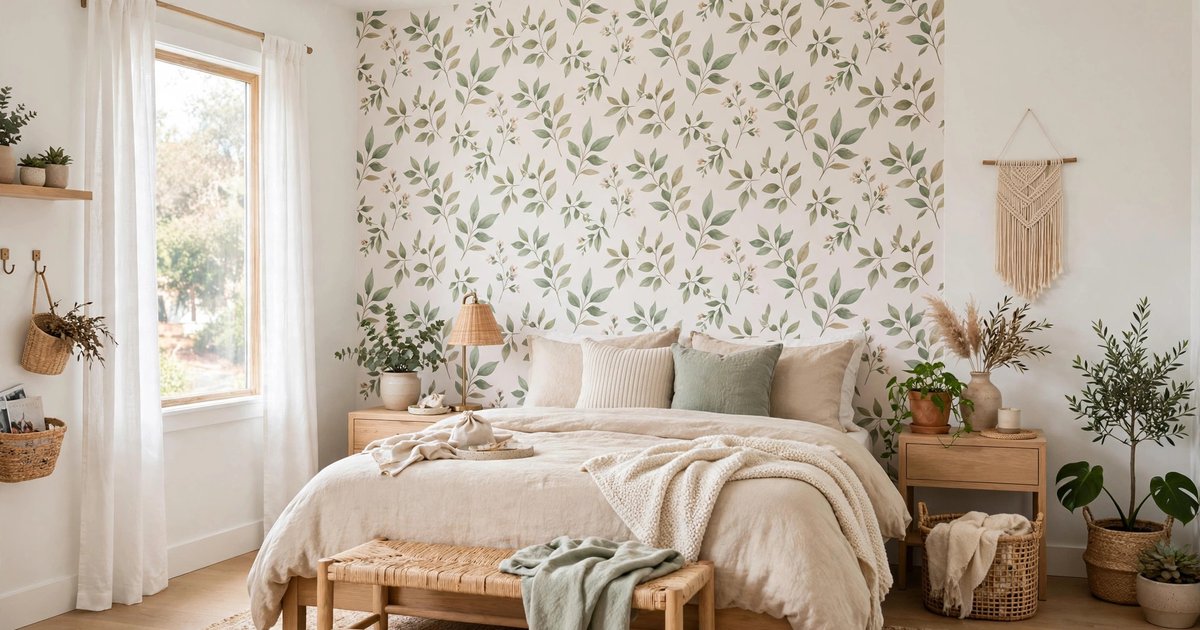
Large-scale leaves, palms, or eucalyptus prints bring the biophilic trend to your walls. Best in rooms that already have real plants — the print and the plants echo each other (see bedroom plant styling for the living half of this look). Keep the background light so the room stays bright.
5. Faux shiplap or beadboard
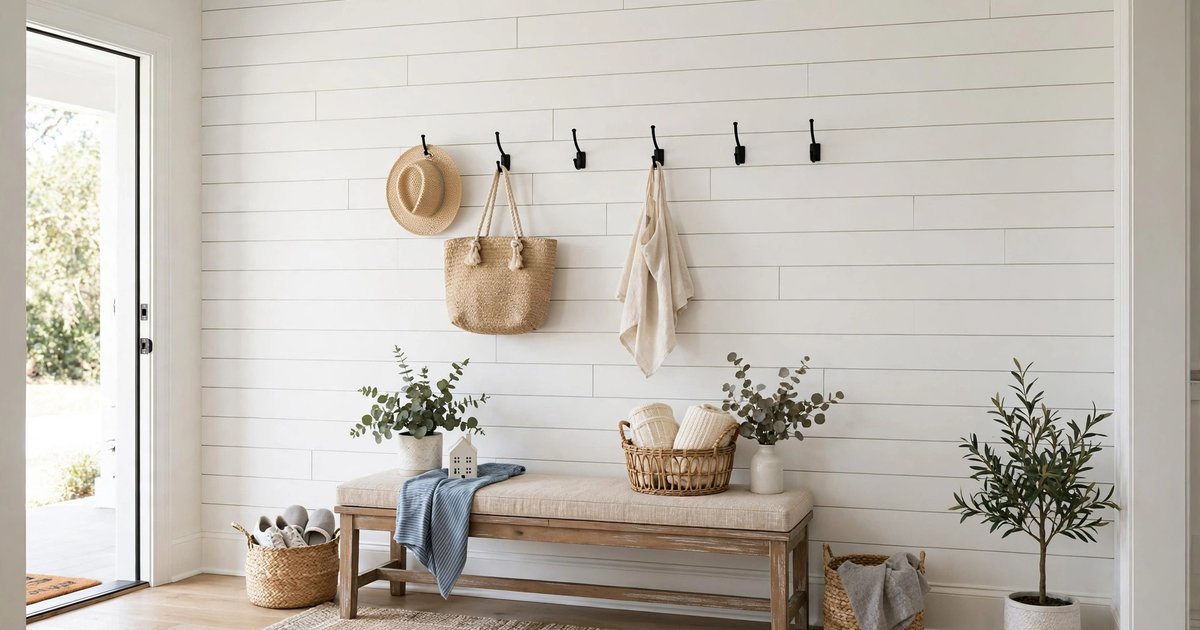
All the farmhouse texture with zero carpentry. Peel-and-stick shiplap planks in white brighten dark entryways and bathrooms. It's technically a "plank" product rather than wallpaper, but it applies and removes the same way.
6. Terrazzo or speckled patterns
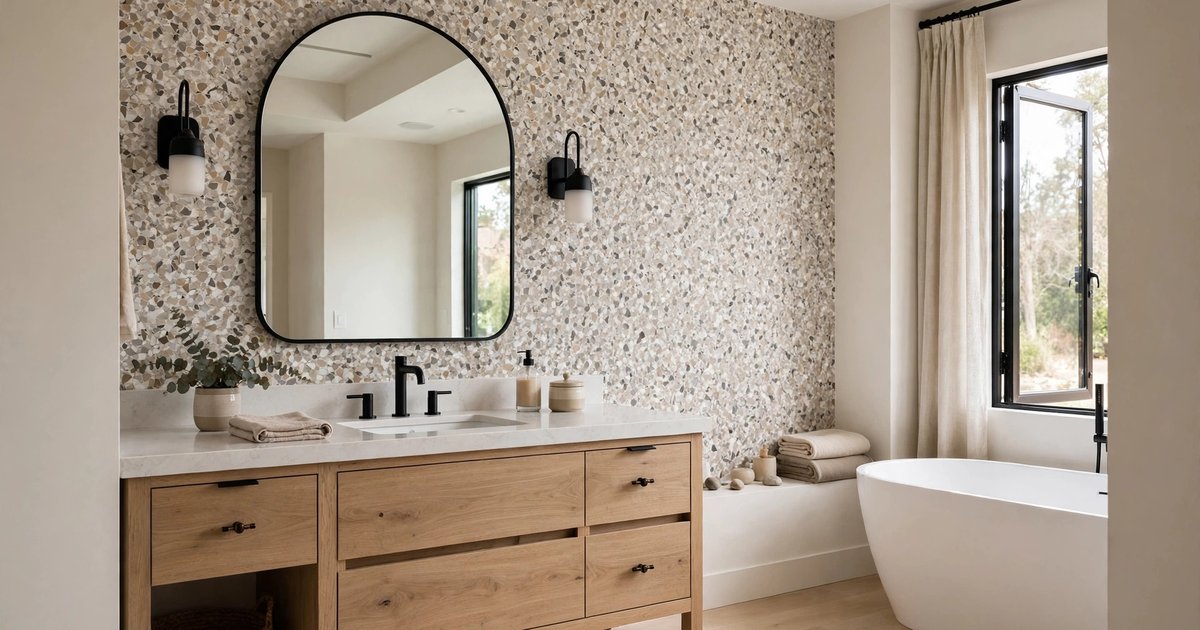
Tiny multicolor speckles on a neutral ground — playful but not loud. Great for laundry areas, home offices, and kids' rooms. The small-scale pattern hides imperfect wall texture, which rentals have in abundance.
7. Muted chinoiserie panels
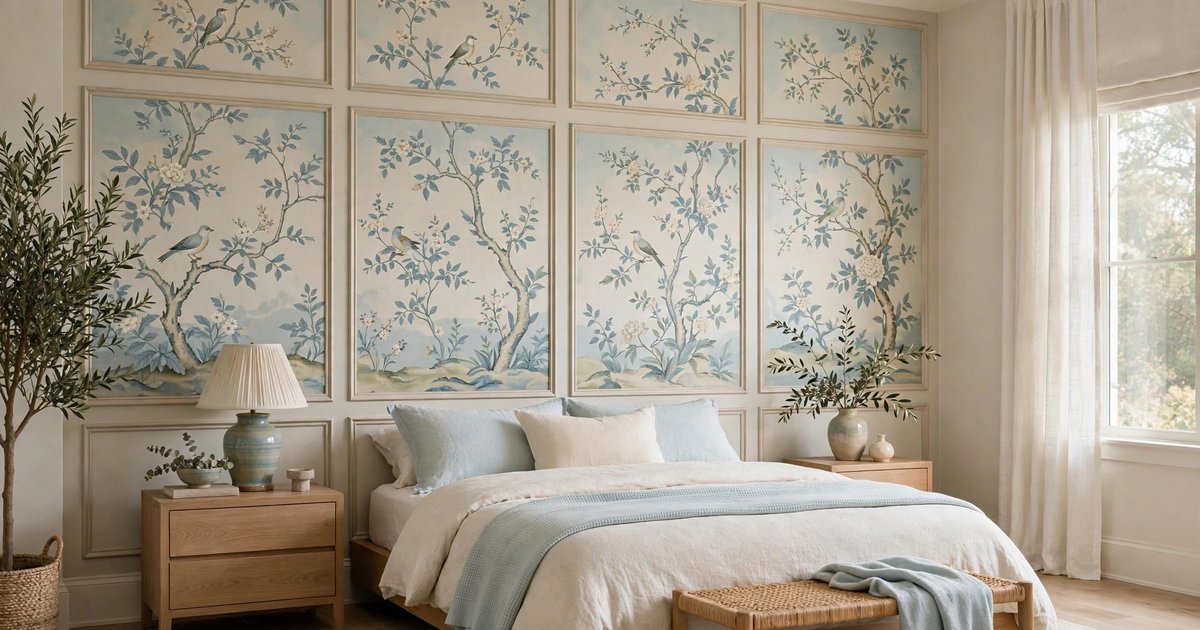
Oversized mural-style panels (not repeating rolls) with soft botanical or landscape scenes create a single statement wall that reads as art. One wall, one mural, done. This is the highest-impact option — and the priciest ($80–150 per wall), so save it for the room you live in most.
8. Linen-look solids
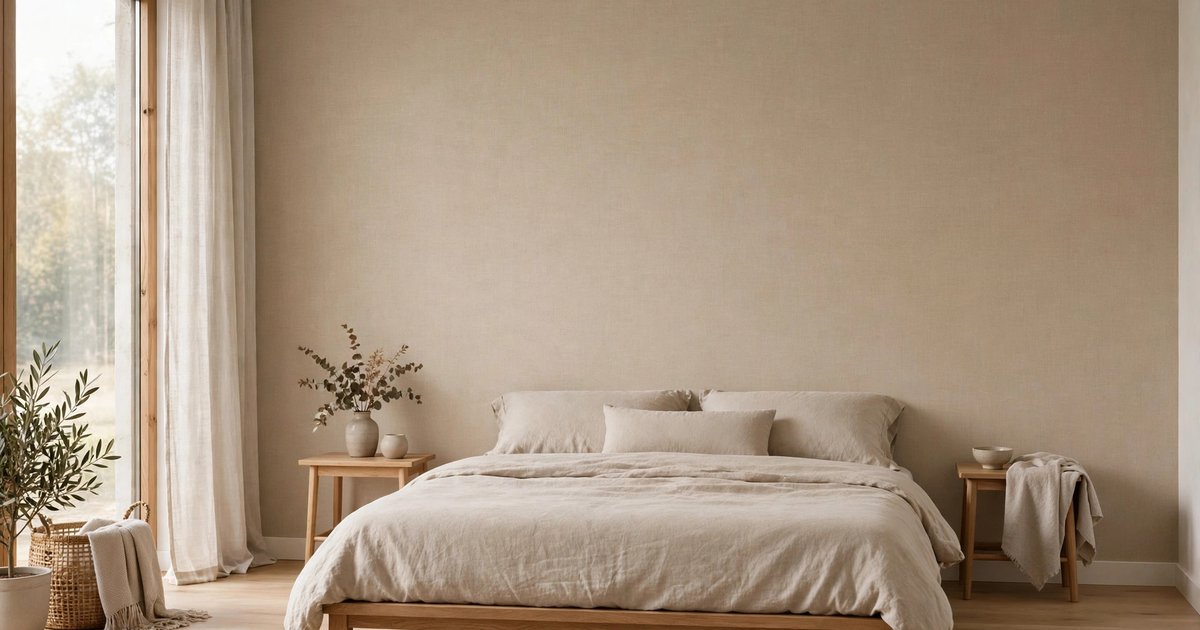
When you want texture without pattern: linen-effect peel-and-stick in warm white or greige. It reads as "expensive plaster" from a few feet away and never fights with your art or furniture. Ideal for living rooms with a lot going on already.
9. Bold pattern in a tiny space (powder room / closet)
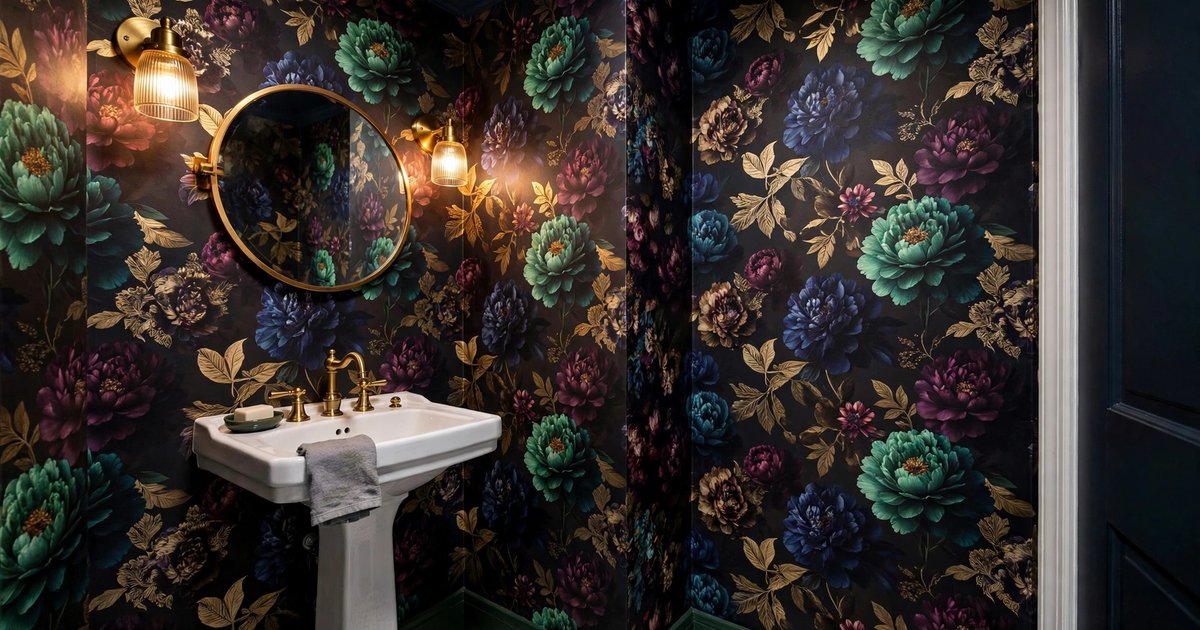
The exception to every "keep it subtle" rule: tiny rooms can take big patterns. A powder room, entry closet, or laundry nook in a bold floral or geometric becomes a jewel box. Small area = small commitment = small removal job later.
The application guide (read before you buy)
Prep: Wash the wall with a degreaser (TSP substitute or sugar soap), let it dry fully, and fill any holes. Peel-and-stick shows every bump underneath — prep is 50% of the result.
Measure twice: Measure wall height in three places (rental walls are never straight) and use the tallest measurement. Buy 10–15% extra; pattern matching eats paper.
The technique: Peel 12 inches of backing, stick the top, and smooth downward with a plastic smoother or credit card wrapped in cloth. Never peel the whole backing at once — that's how bubbles happen. Work in 12-inch sections.
Seams: Butt edges tightly, don't overlap. Overlapped seams show as dark lines. If a seam won't lie flat, lift and re-stick — quality paper tolerates repositioning 2–3 times.
Around outlets: Turn off the breaker, remove the cover plate, paper over the outlet, then cut an X over it and fold the flaps back. Replace the plate. Clean, professional, safe.
The removal guide (for move-out day)
Heat is the secret: a hairdryer on medium, held 6 inches from the paper for 30 seconds, softens the adhesive. Pull slowly downward at a sharp angle (close to the wall, not outward). Work in 2-foot sections.
If residue remains, warm soapy water and a soft cloth handle it. For stubborn spots, a citrus-based adhesive remover (test in a hidden area first). Budget one hour per wall — it's genuinely not bad.
Where NOT to use temporary wallpaper
- Textured / orange-peel walls: heavy texture prevents adhesion. Light texture is fine; deep texture isn't.
- Fresh paint: wait 30 days for paint to cure, or removal may pull it.
- Bathrooms with no ventilation: steam degrades adhesive over time. Powder rooms are fine; steamy full baths are risky.
- Behind stoves: heat + grease + adhesive = bad combination. Use peel-and-stick tile there instead (see kitchen upgrades).
Shop this look: temporary wallpaper kit
- Grasscloth peel-and-stick wallpaper — the safest first choice. Shop grasscloth wallpaper
- Thin stripe peel-and-stick wallpaper — makes ceilings look taller. Shop striped wallpaper
- Arch pattern peel-and-stick wallpaper — the Pinterest classic. Shop arch wallpaper
- Wallpaper smoothing tool kit — squeegee + knife for bubble-free application. Shop smoothing kits
- Botanical peel-and-stick mural — one-wall statement. Shop botanical murals
Frequently Asked Questions
Does peel-and-stick wallpaper really come off cleanly?
Quality products on sound walls, yes — especially with gentle heat during removal. The failure cases are predictable: cheap ultra-thin paper, walls with damaged/peeling paint underneath, and paper left up for 5+ years in hot rooms. Buy mid-range or better, prep the wall, and remove within a few years.
How long does temporary wallpaper last?
2–5 years indoors with good application. It eventually shows wear at seams and edges, especially in humid or sunny spots. Think of it as a medium-term upgrade, not permanent — which is exactly what renters need.
Can I put peel-and-stick wallpaper on textured walls?
Light orange-peel texture: usually fine, though the texture will show through slightly. Heavy knockdown or popcorn texture: no — the adhesive can't grip and edges lift. In that case, use the pattern on furniture (dresser fronts, bookshelf backs) instead of walls.
How much wallpaper do I need for one accent wall?
Measure wall width × height in feet, divide by the roll's coverage (usually listed — a standard roll covers ~28 sq ft). Add 15% for pattern matching and mistakes. A typical 10×8 bedroom wall needs 3–4 rolls.
Is temporary wallpaper cheaper than painting?
For renters, usually yes when you count the full cost: paint + primer + supplies + your time + repainting before move-out often exceeds $100–150. Peel-and-stick for one wall runs $40–80 with no move-out repaint needed. For owners, paint wins long-term.
Can I use temporary wallpaper in a bathroom?
Powder rooms (no shower steam), yes. Full bathrooms with daily hot showers, risky — sustained humidity degrades the adhesive over 6–12 months. If you try it, choose vinyl-based paper (more moisture-resistant) and ensure good ventilation.